
Leadership Council
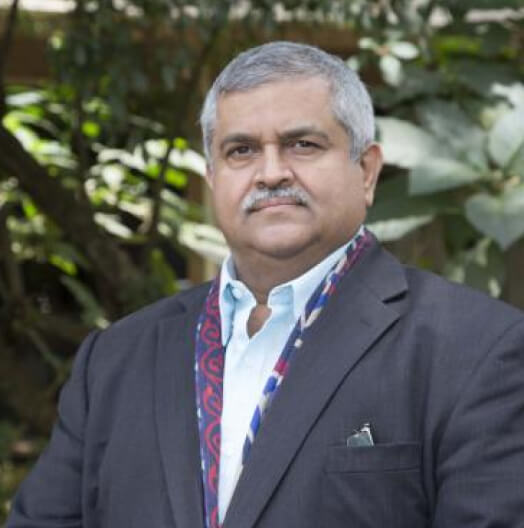
Satya S. Tripathi
CHAIR
A development economist, lawyer and changemaker with over 40 years of varied experience, Mr. Tripathi is the Secretary-General of the Global Alliance for a Sustainable Planet, New York and Chancellor of Kalinga Institute of Social Sciences, Bhubaneswar - the world’s largest academic institution dedicated exclusively to indigenous people and cultures. He serves on the Global Steering Group of the Global Ethical Finance Initiative, the Jury of Paris Peace Forum and is also a Trustee at Water Unite.
He has served with the UN for more than two decades in key positions across the planet and was most recently the UN Assistant Secretary-General, Head of New York Office at UN Environment and Secretary of the UN Environment Management Group. His other strategic engagements with the UN include: Head of Human Rights Investigations for the UN in post-war Bosnia (UNMIBH); Chair of the Committees on Laws, Treaties and Administrative matters for the UN-mediated Cyprus unification talks in 2004; UN Recovery Coordinator for Aceh and Nias where he facilitated international cooperation and funding of over US$ 7 billion for post-tsunami recovery efforts in support of the government and affected populations; and Executive Head of UNORCID, a UN System Office established by the UN Secretary General in 2011 to facilitate the implementation of a US$ 1 Billion REDD+ partnership between Indonesia, Norway and other stakeholders.
Mr. Tripathi was instrumental in establishing the Tropical Landscapes Finance Facility (TLFF) in Indonesia in 2016 and the Sustainable India Finance Facility (SIFF) in 2017 to leverage ‘private finance for public good’ at mega-scale to achieve transformative social and environmental impact for millions of people in developing countries. He previously served on the World Economic Forum’s Global Agenda Council on Forests.
He has served with the UN for more than two decades in key positions across the planet and was most recently the UN Assistant Secretary-General, Head of New York Office at UN Environment and Secretary of the UN Environment Management Group. His other strategic engagements with the UN include: Head of Human Rights Investigations for the UN in post-war Bosnia (UNMIBH); Chair of the Committees on Laws, Treaties and Administrative matters for the UN-mediated Cyprus unification talks in 2004; UN Recovery Coordinator for Aceh and Nias where he facilitated international cooperation and funding of over US$ 7 billion for post-tsunami recovery efforts in support of the government and affected populations; and Executive Head of UNORCID, a UN System Office established by the UN Secretary General in 2011 to facilitate the implementation of a US$ 1 Billion REDD+ partnership between Indonesia, Norway and other stakeholders.
Mr. Tripathi was instrumental in establishing the Tropical Landscapes Finance Facility (TLFF) in Indonesia in 2016 and the Sustainable India Finance Facility (SIFF) in 2017 to leverage ‘private finance for public good’ at mega-scale to achieve transformative social and environmental impact for millions of people in developing countries. He previously served on the World Economic Forum’s Global Agenda Council on Forests.

Craig Cogut
Craig Cogut has spent a career building successful investment businesses. Mr. Cogut founded Pegasus, a private equity fund, in 1996 and serves as its Chairman and CEO. Through Mr. Cogut’s leadership, Pegasus has focused on sectors influenced by global resource scarcity and the need to combat climate change, as well as on the growth in demands globally for human health and wellness, leading to Pegasus becoming the first U.S. private equity fund manager to be accredited by the Green Climate Fund.
In 1990 Mr. Cogut cofounded and was one of the original partners at Apollo Advisors L.P., a position he held for six years preceding the creation of Pegasus. Mr. Cogut has been an active philanthropist in the fields of improving education, building civil society and championing environmental and health issues. Mr. Cogut is currently Chairman of the Board of Directors of HealthE, Inc. and Vice Chairman of the Board of Directors of PanTheryx. Mr. Cogut is an alumnus of Brown University and Harvard Law School.
In 1990 Mr. Cogut cofounded and was one of the original partners at Apollo Advisors L.P., a position he held for six years preceding the creation of Pegasus. Mr. Cogut has been an active philanthropist in the fields of improving education, building civil society and championing environmental and health issues. Mr. Cogut is currently Chairman of the Board of Directors of HealthE, Inc. and Vice Chairman of the Board of Directors of PanTheryx. Mr. Cogut is an alumnus of Brown University and Harvard Law School.
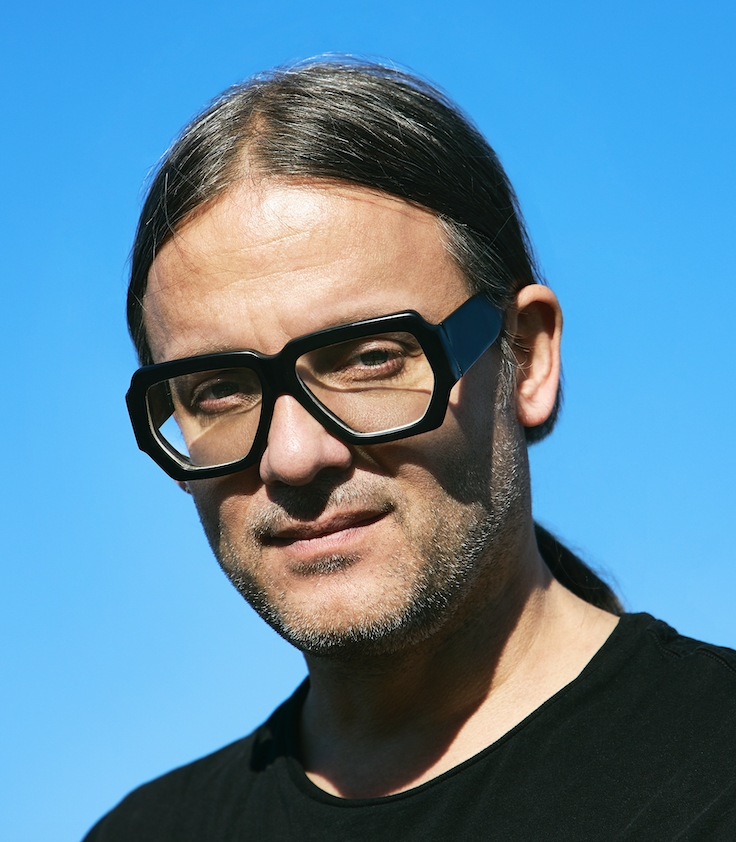
Cyrill Gutsch
Cyrill Gutsch is an award-winning designer and creative thinker. In 1998, he developed Cross Intelligence, a method that brings a culture of collaboration to major organizations.
In 2012, he decided to focus on a new client vital to us all: the oceans. He founded Parley for the Oceans as a collaboration network for creators, thinkers, and leaders to raise awareness for the beauty and fragility of the oceans and to develop and implement strategies that can end their destruction.
Parley and their partners won the Grand Prix for Product Design at Cannes Lions, two D&AD Pencils, and an ADCN Grand Prix in 2014. Gutsch was named 2017 Environmentalist of the Year by the Surf Industry Manufacturers Association for his tireless work for the oceans. In 2018, Parley was named Environmental Organisation of the Year at EARTHx, and Gutsch was honored with a Special Recognition Award for Innovation by the British Fashion Council.
In 2019, Gutsch was inducted into the UBS Global Visionary community – a select group of leading entrepreneurs and individuals working towards one or more of the 17 UN Sustainable Development Goals.
In 2012, he decided to focus on a new client vital to us all: the oceans. He founded Parley for the Oceans as a collaboration network for creators, thinkers, and leaders to raise awareness for the beauty and fragility of the oceans and to develop and implement strategies that can end their destruction.
Parley and their partners won the Grand Prix for Product Design at Cannes Lions, two D&AD Pencils, and an ADCN Grand Prix in 2014. Gutsch was named 2017 Environmentalist of the Year by the Surf Industry Manufacturers Association for his tireless work for the oceans. In 2018, Parley was named Environmental Organisation of the Year at EARTHx, and Gutsch was honored with a Special Recognition Award for Innovation by the British Fashion Council.
In 2019, Gutsch was inducted into the UBS Global Visionary community – a select group of leading entrepreneurs and individuals working towards one or more of the 17 UN Sustainable Development Goals.
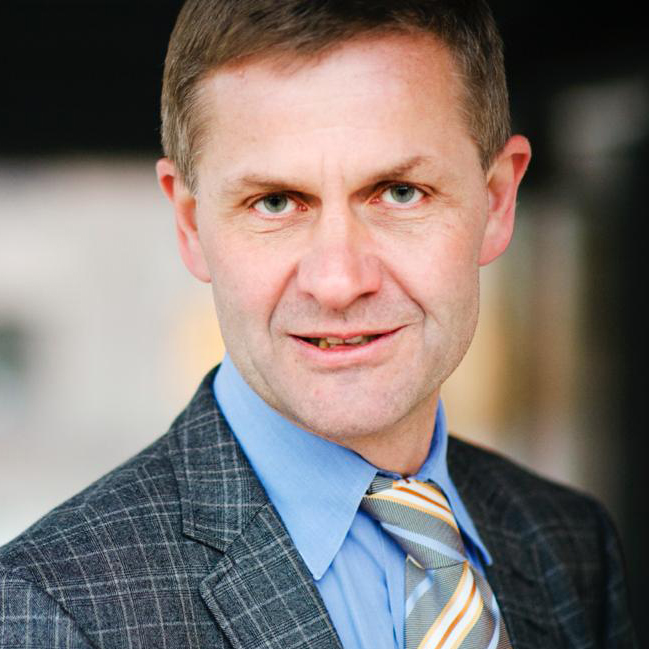
Erik Solheim
Erik Solheim was the Executive Director of the United Nations Environment Programme. Prior to that, he chaired the Development Assistance Committee of the Organization for Economic Cooperation and Development, a post he held since 2013, and served as UN Environment’s Special Envoy for environment, conflict and disaster.
From 2007 to 2012, he held the combined portfolio of Norway’s Minister of the Environment and International Development, and from 2005 to 2007 served as Minister of International Development. During his time as Minister, Norwegian aid reached 1%, the highest in the world. Solheim also put into place the Nature Diversity Act, considered to be Norway’s most important piece of environmental legislation in the last 100 years.
He is an experienced peace negotiator, having acted as the main facilitator of the peace process in Sri Lanka from 1998 to 2005. The peace process led to a ceasefire and the Oslo Declaration in 2002, where parties welcomed a federal state in Sri Lanka. He continued to lead peace efforts in Sri Lanka as Minister, and has contributed to peace processes in Sudan, Nepal, Myanmar and Burundi.
Mr. Solheim has received a number of awards for his work on climate and the environment, including UN Environment’s Champion of the Earth award, TIME Magazine’s Hero of the Environment, and an honorary doctorate from TERI University in Delhi, India. He holds a degree in history and social studies from the University of Oslo.
From 2007 to 2012, he held the combined portfolio of Norway’s Minister of the Environment and International Development, and from 2005 to 2007 served as Minister of International Development. During his time as Minister, Norwegian aid reached 1%, the highest in the world. Solheim also put into place the Nature Diversity Act, considered to be Norway’s most important piece of environmental legislation in the last 100 years.
He is an experienced peace negotiator, having acted as the main facilitator of the peace process in Sri Lanka from 1998 to 2005. The peace process led to a ceasefire and the Oslo Declaration in 2002, where parties welcomed a federal state in Sri Lanka. He continued to lead peace efforts in Sri Lanka as Minister, and has contributed to peace processes in Sudan, Nepal, Myanmar and Burundi.
Mr. Solheim has received a number of awards for his work on climate and the environment, including UN Environment’s Champion of the Earth award, TIME Magazine’s Hero of the Environment, and an honorary doctorate from TERI University in Delhi, India. He holds a degree in history and social studies from the University of Oslo.

Julia Jackson
Julia Jackson has dedicated her life to the environmental cause on a global scale. In 2018, she founded Grounded, a nonprofit organization, to identify and accelerate the most impactful solutions to ensure a livable planet. Its intention is to align people and the planet through shared learning, innovative solutions and cross-industry collaboration.
She has diligently worked to amplify climate solutions through outreach and strategic partnerships with numerous thought-leading organizations like the Leonardo DiCaprio Foundation, One Earth, Sea Legacy, Amazon Frontlines, and many others.
Ms. Jackson has served as a featured speaker at leading climate events hosted by the United Nations and POLITICO. Her track record of working on transformative issues has been featured in media outlets, including Forbes, The Hill, NPR, and The Washington Post and has earned numerous awards including the Travel and Leisure Global Vision Awards 2019, North Bay Business Journal’s 2019 Top Women in Business, Cambria: Seeds of Empowerment, honors from the Global Green organization and several wine industry accolades.
She has diligently worked to amplify climate solutions through outreach and strategic partnerships with numerous thought-leading organizations like the Leonardo DiCaprio Foundation, One Earth, Sea Legacy, Amazon Frontlines, and many others.
Ms. Jackson has served as a featured speaker at leading climate events hosted by the United Nations and POLITICO. Her track record of working on transformative issues has been featured in media outlets, including Forbes, The Hill, NPR, and The Washington Post and has earned numerous awards including the Travel and Leisure Global Vision Awards 2019, North Bay Business Journal’s 2019 Top Women in Business, Cambria: Seeds of Empowerment, honors from the Global Green organization and several wine industry accolades.

Patricia Velásquez
Patricia Velásquez is an award-winning actress, supermodel, activist and author. She is the Organization of American States (OAS) Goodwill Ambassador for the Rights of Indigenous Peoples of the Americas.
She founded the Wayúu Tayá Foundation in 2002 to help improve the lives of Latin-American indigenous communities while maintaining and respecting their traditions, culture and beliefs. She was appointed UNESCO Artist for Peace in 2003 and the United Nations granted her the 2009 Women Together Award.
Other honors include the 2015 La Femme Film Festivals’ Humanitarian Award, and the 2018 Visibility Award from The Human Rights Campaign.
She founded the Wayúu Tayá Foundation in 2002 to help improve the lives of Latin-American indigenous communities while maintaining and respecting their traditions, culture and beliefs. She was appointed UNESCO Artist for Peace in 2003 and the United Nations granted her the 2009 Women Together Award.
Other honors include the 2015 La Femme Film Festivals’ Humanitarian Award, and the 2018 Visibility Award from The Human Rights Campaign.
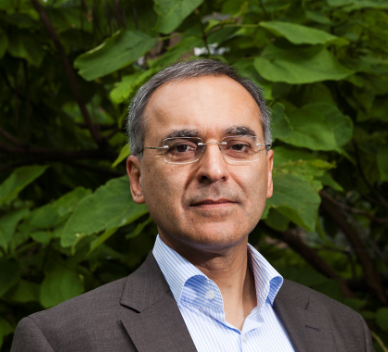
Pavan Sukhdev
Pavan Sukhdev is a scientist by education, an international banker by training, and an environmental economist by passion. Years of work in sustainability and the invisible economics of nature led to his appointment to head the United Nations’ “Green Economy Initiative” and write their landmark report “Towards a Green Economy” (2011), and to lead the G8+5-commissioned study “TEEB” (The Economics of Ecosystems and Biodiversity, 2008-2010). TEEB brought into sharp focus the invisible economics of nature and emphasized the socio-economic importance of ecosystem services as a large part of the ‘GDP of the poor’.
Pavan was awarded the McCluskey Fellowship (2011) by Yale University. While at Yale, he authored “Corporation 2020 - Transforming Business for Tomorrow’s World”. In this book, he advocates four changes in micro-policy and regulation which can rapidly transform today’s corporation to deliver tomorrow’s green and equitable “economy of permanence”. This led to his ongoing campaign (launched at Rio+20) to promote a new model for tomorrow’s corporation: “Corporation 2020”, one which generates positive rather than negative externalities and is the engine of tomorrow’s inclusive green economy.
As founder and CEO of GIST, a company at the active intersection of sustainability and technology, and a pioneer in impact valuation, Pavan now works with investors, C-suite executives and senior government officials on transition techniques with an emphasis on metrics for sustainability.
A UNEP Goodwill Ambassador, Pavan has served as President and Chair of the board of WWF International (2018-2021) and has also served on the boards of Conservation International (CI), the Global Reporting Initiative (GRI), the Stockholm Resilience Centre (SRC) and on the TEEB Advisory Board. He has won numerous awards for his work including the Gothenburg Award for Sustainable Development (2013), the Blue Planet Prize (2016) and the Tyler Prize (2020) aka the Environmental Nobel.
Pavan was awarded the McCluskey Fellowship (2011) by Yale University. While at Yale, he authored “Corporation 2020 - Transforming Business for Tomorrow’s World”. In this book, he advocates four changes in micro-policy and regulation which can rapidly transform today’s corporation to deliver tomorrow’s green and equitable “economy of permanence”. This led to his ongoing campaign (launched at Rio+20) to promote a new model for tomorrow’s corporation: “Corporation 2020”, one which generates positive rather than negative externalities and is the engine of tomorrow’s inclusive green economy.
As founder and CEO of GIST, a company at the active intersection of sustainability and technology, and a pioneer in impact valuation, Pavan now works with investors, C-suite executives and senior government officials on transition techniques with an emphasis on metrics for sustainability.
A UNEP Goodwill Ambassador, Pavan has served as President and Chair of the board of WWF International (2018-2021) and has also served on the boards of Conservation International (CI), the Global Reporting Initiative (GRI), the Stockholm Resilience Centre (SRC) and on the TEEB Advisory Board. He has won numerous awards for his work including the Gothenburg Award for Sustainable Development (2013), the Blue Planet Prize (2016) and the Tyler Prize (2020) aka the Environmental Nobel.

Rajiv Kumar
Dr. Rajiv Kumar is the Chancellor of Gokhale Institute of Politics and Economics, Pune and Chairman of the Giri Institute of Development Studies, India. He is a renowned economist and a widely published author with over 4 decades of varied experience in government, academia, industry, and multilateral institutions.
Dr. Kumar has served with the Government of India in numerous leadership roles and was the Vice-Chairman of the National Institution for Transforming India - NITI Aayog with the rank and status of a cabinet minister from 2017-2022. While at NITI Aayog, Dr. Kumar was instrumental in launching several strategic policy initiatives including driving a system-scale whole-of-government collaboration on mainstreaming regenerative agriculture in India.
His past strategic engagements with academia and industry include: CEO of the Indian Council for Research on International Economic Relations (ICRIER); Chief Economist at the Confederation of Indian Industry (CII); Secretary-General of the Federation of Indian Chamber of Commerce & Industry (FICCI); Senior Fellow at the Center for Policy Research, New Delhi; Professor at the Indian Institute of Foreign Trade (IIFT); and Board positions in numerous institutions of significance, both in India and abroad.
Dr. Kumar served with the Asian Development Bank as Principal Economist for a decade. He holds a Ph.D. in Economics from Lucknow University, India and a D. Phil. In Economics from Oxford University.
Dr. Kumar has served with the Government of India in numerous leadership roles and was the Vice-Chairman of the National Institution for Transforming India - NITI Aayog with the rank and status of a cabinet minister from 2017-2022. While at NITI Aayog, Dr. Kumar was instrumental in launching several strategic policy initiatives including driving a system-scale whole-of-government collaboration on mainstreaming regenerative agriculture in India.
His past strategic engagements with academia and industry include: CEO of the Indian Council for Research on International Economic Relations (ICRIER); Chief Economist at the Confederation of Indian Industry (CII); Secretary-General of the Federation of Indian Chamber of Commerce & Industry (FICCI); Senior Fellow at the Center for Policy Research, New Delhi; Professor at the Indian Institute of Foreign Trade (IIFT); and Board positions in numerous institutions of significance, both in India and abroad.
Dr. Kumar served with the Asian Development Bank as Principal Economist for a decade. He holds a Ph.D. in Economics from Lucknow University, India and a D. Phil. In Economics from Oxford University.
Impact Advisory Board
Erik Solheim
Chair
Erik Solheim was the Executive Director of the United Nations Environment Programme. Prior to that, he chaired the Development Assistance Committee of the Organization for Economic Cooperation and Development, a post he held since 2013, and served as UN Environment’s Special Envoy for environment, conflict and disaster.
From 2007 to 2012, he held the combined portfolio of Norway’s Minister of the Environment and International Development, and from 2005 to 2007 served as Minister of International Development. During his time as Minister, Norwegian aid reached 1%, the highest in the world. Solheim also put into place the Nature Diversity Act, considered to be Norway’s most important piece of environmental legislation in the last 100 years.
He is an experienced peace negotiator, having acted as the main facilitator of the peace process in Sri Lanka from 1998 to 2005. The peace process led to a ceasefire and the Oslo Declaration in 2002, where parties welcomed a federal state in Sri Lanka. He continued to lead peace efforts in Sri Lanka as Minister, and has contributed to peace processes in Sudan, Nepal, Myanmar and Burundi.
Mr. Solheim has received a number of awards for his work on climate and the environment, including UN Environment’s Champion of the Earth award, TIME Magazine’s Hero of the Environment, and an honorary doctorate from TERI University in Delhi, India. He holds a degree in history and social studies from the University of Oslo.
From 2007 to 2012, he held the combined portfolio of Norway’s Minister of the Environment and International Development, and from 2005 to 2007 served as Minister of International Development. During his time as Minister, Norwegian aid reached 1%, the highest in the world. Solheim also put into place the Nature Diversity Act, considered to be Norway’s most important piece of environmental legislation in the last 100 years.
He is an experienced peace negotiator, having acted as the main facilitator of the peace process in Sri Lanka from 1998 to 2005. The peace process led to a ceasefire and the Oslo Declaration in 2002, where parties welcomed a federal state in Sri Lanka. He continued to lead peace efforts in Sri Lanka as Minister, and has contributed to peace processes in Sudan, Nepal, Myanmar and Burundi.
Mr. Solheim has received a number of awards for his work on climate and the environment, including UN Environment’s Champion of the Earth award, TIME Magazine’s Hero of the Environment, and an honorary doctorate from TERI University in Delhi, India. He holds a degree in history and social studies from the University of Oslo.

Éliane Ubalijoro
Éliane Ubalijoro, PhD, is the Executive Director of Sustainability in the Digital Age and the Global Hub Director in Canada for Future Earth. Her decades of experience span academia, science-policy, and the non-profit and international development sectors. She is a Professor of Practice for Public-Private Sector Partnerships at McGill University’s Institute for the Study of International Development, where her research interests focus on innovation, gender and sustainable development for prosperity creation. Her teaching over the last decade has focused on facilitating leadership development.
She is a member of Rwanda’s National Science and Technology Council and has been a member of the Presidential Advisory Council for Rwandan President Paul Kagame since its inception in September 2007. She is a member of the Expert Consultation Group on the Post COVID-19 Implications on Collaborative Governance of Genomics Research, Innovation, and Genetic Diversity. Éliane is a member of the African Development Bank’s Expert Global Community of Practice on COVID-19 Response Strategies in Africa. She is a member of the newly created Capitals Coalition Supervisory Board.
Éliane teaches and advises in Leadership programs to help equip executives in science, innovation and international development with tools that support inner and outer sustainable transformation towards global prosperity.
She is a member of Rwanda’s National Science and Technology Council and has been a member of the Presidential Advisory Council for Rwandan President Paul Kagame since its inception in September 2007. She is a member of the Expert Consultation Group on the Post COVID-19 Implications on Collaborative Governance of Genomics Research, Innovation, and Genetic Diversity. Éliane is a member of the African Development Bank’s Expert Global Community of Practice on COVID-19 Response Strategies in Africa. She is a member of the newly created Capitals Coalition Supervisory Board.
Éliane teaches and advises in Leadership programs to help equip executives in science, innovation and international development with tools that support inner and outer sustainable transformation towards global prosperity.
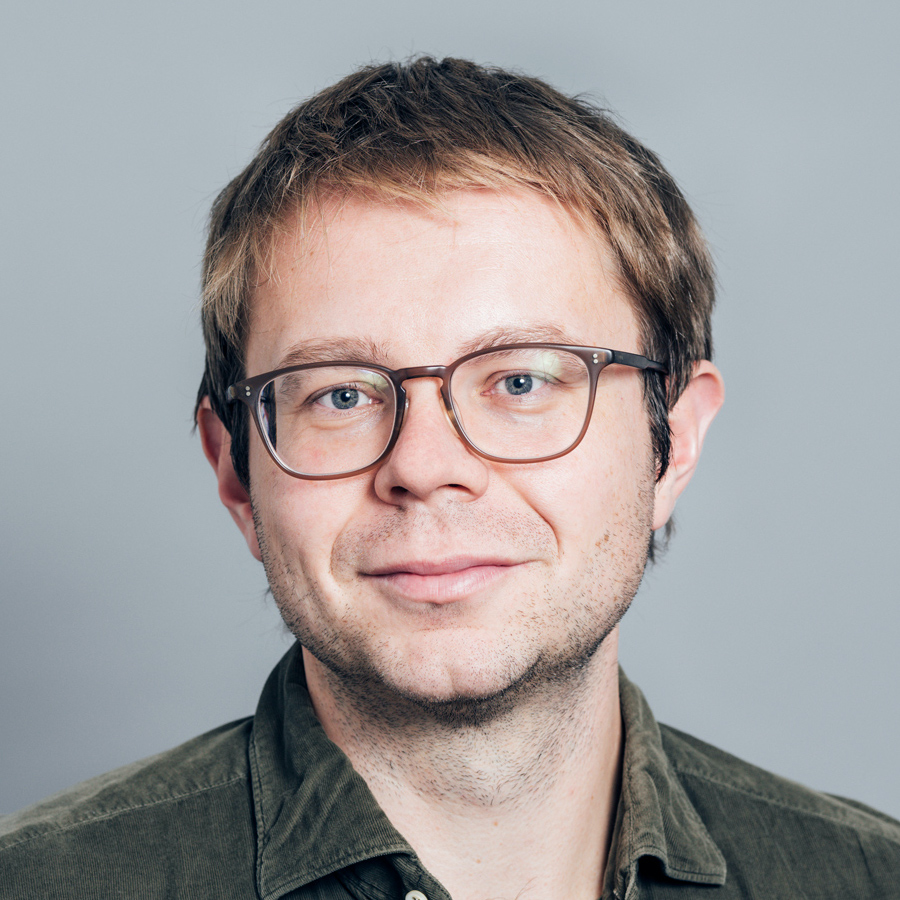
Juha Leppänen
Juha Leppänen is a social scientist and serves as the Chief Executive at Demos Helsinki, leading independent Nordic think tank. Demos Helsinki works to ensure societal transformation that is both fair and sustainable through projects in over 30 countries around the world. Juha has served as advisor for multiple strategy, innovation and policy initiatives for both public and private organisations and as a speaker on forums such as Slush, Innovation Week and Smart Cities NYC. In addition to his work at Demos Helsinki, Juha is a member of Global Innovation Council and RSA Fellow.
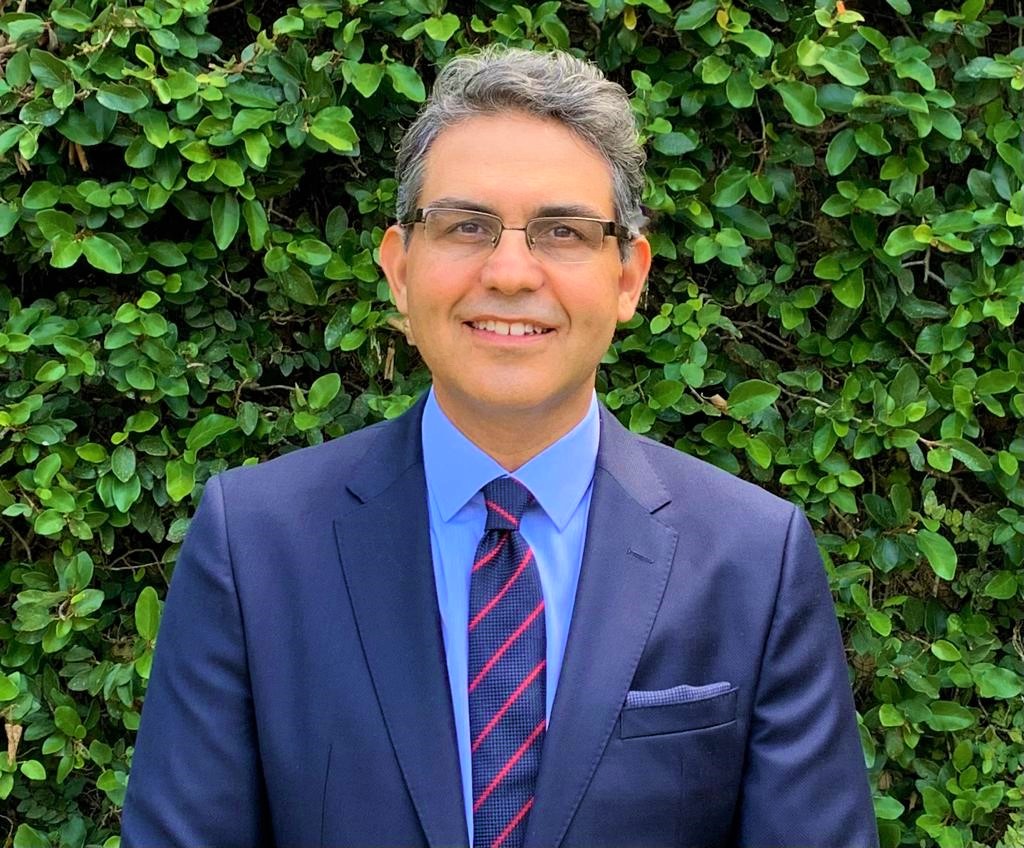
Jonathan Papoulidis
Jonathan Papoulidis is Global Director of Fragility and Resilience at Food for the Hungry where he provides leadership on multidimensional resilience, adaptive management and scaling approaches in fragile contexts. He is an inaugural fellow at Columbia World Projects at Columbia University where he is working on new frameworks for adaptive scaling. He previously served with the United Nations, including in Indonesia as UN Coordinator for Aceh and Nias and UN Security Coordinator for Sumatra. From 2004-2006, he served in the UN peacekeeping mission in post-war Liberia as advisor to the UN Deputy Special Representative of the Secretary-General for Governance and Recovery. Before that, he was the senior UN OCHA representative in Turkey preparing for the 2003 Iraq humanitarian response.
Prior to these postings, Papoulidis served at UN headquarters in New York, focusing on protection of civilians, conflict prevention, private sector partnerships and post-crisis transitional planning. He has been a Visiting Scholar at the Freeman Spogli Institute for International Studies, Stanford University and the Center for Refugee Studies, York University.
He has written for the Brookings Institution, OECD, World Bank, Harvard International Review, Yale Journal of International Affairs, and the Cambridge Review of International Affairs. He has a Master’s degree in International Relations from the University of Cambridge.
Prior to these postings, Papoulidis served at UN headquarters in New York, focusing on protection of civilians, conflict prevention, private sector partnerships and post-crisis transitional planning. He has been a Visiting Scholar at the Freeman Spogli Institute for International Studies, Stanford University and the Center for Refugee Studies, York University.
He has written for the Brookings Institution, OECD, World Bank, Harvard International Review, Yale Journal of International Affairs, and the Cambridge Review of International Affairs. He has a Master’s degree in International Relations from the University of Cambridge.
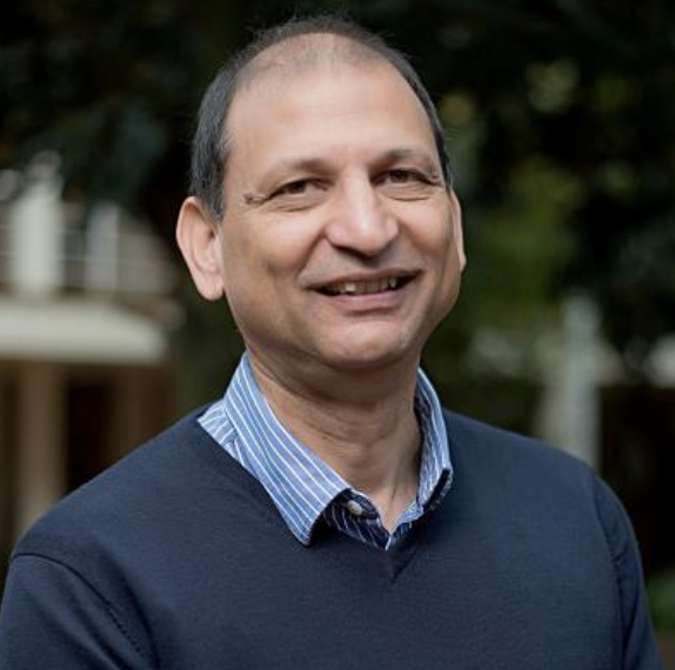
Ravi Prabhu
Ravi Prabhu is an accomplished scientist who has engaged in multi-disciplinary research and action in forested landscapes for almost 20 years. He earned his professional degree and doctorate in forestry from the University of Goettingen, Germany.
Ravi was previously a Senior Programme Officer, Forests and Climate Change with the United Nations Environment Programme (UNEP) in Nairobi. He led the UNEP team that contributed to the UN-REDD Programme – mainly by supporting countries to realize multiple benefits from REDD+, and to use REDD+ as a catalyst to transform to a green economy. Prior to that, he coordinated the Regional Plan for Collective Action in eastern and southern Africa, a joint initiative of CGIAR. He also worked in various capacities at CIFOR.
Ravi joined World Agroforestry (ICRAF) as Deputy Director General (Research) in 2012. He has served on numerous international initiatives and committees, including the Millennium Ecosystem Assessment where he served on the review and editorial team, and the UN Millennium Projects Task Force 6 on Environmental Sustainability. He received the Queen's Award for Forestry at Buckingham Palace in 2005.
Ravi was previously a Senior Programme Officer, Forests and Climate Change with the United Nations Environment Programme (UNEP) in Nairobi. He led the UNEP team that contributed to the UN-REDD Programme – mainly by supporting countries to realize multiple benefits from REDD+, and to use REDD+ as a catalyst to transform to a green economy. Prior to that, he coordinated the Regional Plan for Collective Action in eastern and southern Africa, a joint initiative of CGIAR. He also worked in various capacities at CIFOR.
Ravi joined World Agroforestry (ICRAF) as Deputy Director General (Research) in 2012. He has served on numerous international initiatives and committees, including the Millennium Ecosystem Assessment where he served on the review and editorial team, and the UN Millennium Projects Task Force 6 on Environmental Sustainability. He received the Queen's Award for Forestry at Buckingham Palace in 2005.

Reiko Niimi
Reiko Niimi has worked on development, humanitarian and human rights issues through various United Nations agencies and departments as well as the World Bank. She most recently served as president of the Board of Directors of Margaret McNamara Education Grants, a non-profit whose mission is to support the higher education of women, particularly from developing countries.
With international relations and public health in her formal education, she managed UNICEF country offices in West Africa, Turkey, and Brazil for more than two decades. She has also served as a public health specialist in southern African countries and as a global disaster recovery specialist in World Bank, as well as a disaster recovery advisor in other UN agencies. Following the Indian Ocean tsunami, she was Deputy to the Humanitarian and Resident Coordinator for Indonesia, and worked in a similar capacity in Myanmar.
With international relations and public health in her formal education, she managed UNICEF country offices in West Africa, Turkey, and Brazil for more than two decades. She has also served as a public health specialist in southern African countries and as a global disaster recovery specialist in World Bank, as well as a disaster recovery advisor in other UN agencies. Following the Indian Ocean tsunami, she was Deputy to the Humanitarian and Resident Coordinator for Indonesia, and worked in a similar capacity in Myanmar.

Tony Gourlay
Tony began his early career in the music industry, with Sony and Virgin in Australia, before moving into public relations consultancy and to Southeast Asia where he advised government, business and NGO clients on strategic communications, media and corporate responsibility.
During ten years in Indonesia Tony led public relations campaigns for local and international organisations in their efforts to address poverty, climate change and other development-related issues. He then went on to establish Global Initiatives in Singapore and convene a series of multistakeholder sustainability forums held in partnership with governments, the UN and international agencies, in more than 20 countries.
Tony’s most recent venture, Impact X, brings together innovators and investors to shift increased capital into emerging impact technologies that can improve society, restore natural resources and create the sustainable systems of the future.
Prior to Impact X Tony was one of the founding Directors of the Natural Capital Coalition, set up to develop a protocol framework for businesses to measure and value their impacts and dependencies on nature.
During ten years in Indonesia Tony led public relations campaigns for local and international organisations in their efforts to address poverty, climate change and other development-related issues. He then went on to establish Global Initiatives in Singapore and convene a series of multistakeholder sustainability forums held in partnership with governments, the UN and international agencies, in more than 20 countries.
Tony’s most recent venture, Impact X, brings together innovators and investors to shift increased capital into emerging impact technologies that can improve society, restore natural resources and create the sustainable systems of the future.
Prior to Impact X Tony was one of the founding Directors of the Natural Capital Coalition, set up to develop a protocol framework for businesses to measure and value their impacts and dependencies on nature.

Wendy Diamond
Internationally Renowned Social Entrepreneur, Impact Investor, Animal Advocate, Humanitarian, Best Selling Author - Wendy Diamond is CEO and Founder of Women’s Entrepreneurship Day Organization (WEDO)/#ChooseWOMEN, a non-governmental volunteer organization with chapters in 144 countries on a global mission and to empower women in business to alleviate poverty.
She is an Investor/Advisor in social impact disruptive technologies and women led businesses in health/life sciences, renewable energy, artificial intelligence, blockchain technology and virtual reality, including IGP Energy, Blocktower Capital, Crescent Capital, CoinFund, Basepaws, Waggit, SAFE Health, Rise Wealth, Producers Market, IPWE, Infinigon Group, Farma Trust, Look Lateral Art , Breathometer, and Snakt.
Wendy has authored 10 widely-celebrated books, garnered Three Guinness World records, and has appeared in media outlets including Oprah, NBC’s Today Show, The New York Times and Forbes. She has also been a featured keynote speaker at the United Nations, Harvard University and Davos.
Wendy sits on the Advisory Boards of Ellis Island Honors Society, Global Women in Blockchain, Social Innovation Summit, Humane Society of New York and Grey Muzzle Foundation. Prior to WEDO, Wendy founded Animal Fair Media, Inc., the premiere pet lifestyle media platform bridging celebrity, pop culture and animal rescue, to support animal rescue/welfare when she learned 12 million animals were euthanized a year.
She is an Investor/Advisor in social impact disruptive technologies and women led businesses in health/life sciences, renewable energy, artificial intelligence, blockchain technology and virtual reality, including IGP Energy, Blocktower Capital, Crescent Capital, CoinFund, Basepaws, Waggit, SAFE Health, Rise Wealth, Producers Market, IPWE, Infinigon Group, Farma Trust, Look Lateral Art , Breathometer, and Snakt.
Wendy has authored 10 widely-celebrated books, garnered Three Guinness World records, and has appeared in media outlets including Oprah, NBC’s Today Show, The New York Times and Forbes. She has also been a featured keynote speaker at the United Nations, Harvard University and Davos.
Wendy sits on the Advisory Boards of Ellis Island Honors Society, Global Women in Blockchain, Social Innovation Summit, Humane Society of New York and Grey Muzzle Foundation. Prior to WEDO, Wendy founded Animal Fair Media, Inc., the premiere pet lifestyle media platform bridging celebrity, pop culture and animal rescue, to support animal rescue/welfare when she learned 12 million animals were euthanized a year.
Finance Advisory Board
Craig Cogut
Chair
Craig Cogut has spent a career building successful investment businesses. Mr. Cogut founded Pegasus, a private equity fund, in 1996 and serves as its Chairman and CEO. Through Mr. Cogut’s leadership, Pegasus has focused on sectors influenced by global resource scarcity and the need to combat climate change, as well as on the growth in demands globally for human health and wellness, leading to Pegasus becoming the first U.S. private equity fund manager to be accredited by the Green Climate Fund.
In 1990 Mr. Cogut cofounded and was one of the original partners at Apollo Advisors L.P., a position he held for six years preceding the creation of Pegasus. Mr. Cogut has been an active philanthropist in the fields of improving education, building civil society and championing environmental and health issues. Mr. Cogut is currently Chairman of the Board of Directors of HealthE, Inc. and Vice Chairman of the Board of Directors of PanTheryx. Mr. Cogut is an alumnus of Brown University and Harvard Law School.
In 1990 Mr. Cogut cofounded and was one of the original partners at Apollo Advisors L.P., a position he held for six years preceding the creation of Pegasus. Mr. Cogut has been an active philanthropist in the fields of improving education, building civil society and championing environmental and health issues. Mr. Cogut is currently Chairman of the Board of Directors of HealthE, Inc. and Vice Chairman of the Board of Directors of PanTheryx. Mr. Cogut is an alumnus of Brown University and Harvard Law School.

Aditi Balbir
Aditi Balbir is an angel investor with significant experience in Finance and Strategy.
She is one of the Top 20 influential women entrepreneurs in India and Winner of Business World 40 under 40, CNBC Young Women Leader, MPW Fortune Asia, DWEN, Women Economic Forum, and UNWTO Community Impact Award.
Previously she worked at Barings Private Equity and McKinsey & Company. Additionally, she has written for the Economic Times, YourStory, Times of India, and World Economic Forum. Ms. Balbir holds an MBA from the Indian School of Business in Hyderabad and the Fuqua School of Business at Duke University.
She is one of the Top 20 influential women entrepreneurs in India and Winner of Business World 40 under 40, CNBC Young Women Leader, MPW Fortune Asia, DWEN, Women Economic Forum, and UNWTO Community Impact Award.
Previously she worked at Barings Private Equity and McKinsey & Company. Additionally, she has written for the Economic Times, YourStory, Times of India, and World Economic Forum. Ms. Balbir holds an MBA from the Indian School of Business in Hyderabad and the Fuqua School of Business at Duke University.
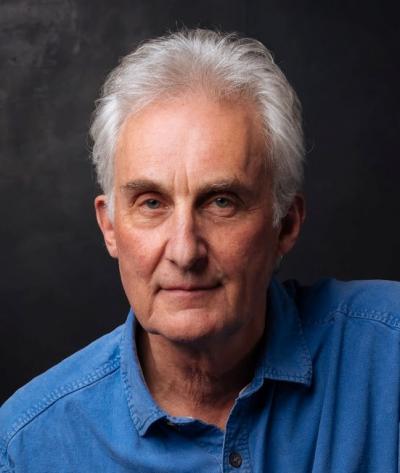
Andrew Mitchell
Andrew Mitchell is an international thought leader on natural capital finance and tropical forests. In 2017, he founded the consultancy Equilibrium Futures, to provide strategic advice to Family Offices, Asset Managers, and Banks on risks and opportunities linked to natural capital in their philanthropy and finance. He remains a Senior Adviser to Global Canopy, an international think tank he founded in Oxford in 2001 and leads its work on developing landscape green bonds. He also retains a leading role in the continuing development of the Taskforce on Nature-related Financial Disclosures (TNFD).
As Founder and Senior Adviser to the Natural Capital Finance Alliance, he helps design tools for banks, investors and insurers worldwide on natural capital. He Chairs the Advisory Board of Ecosphere Plus (E+), a company specialising in environmental assets, and advises its parent, Mirova-Althelia, an impact investment company. In 2014, he was named as one of the world’s 100 ‘Most Influential Investors’ by the Journal of Environmental Investing. Prior to Global Canopy in Oxford, Andrew was Vice President of Programme Development and International Relations at Earthwatch Institute in Boston, USA, managing 130 field research projects in 30 countries.
Andrew is a Distinguished Fellow of YES Global Institute in India, a Fellow of the Royal Geographical Society, and is the Emeritus Rufford Fellow in Environmental Understanding at Green Templeton College, Oxford.
As Founder and Senior Adviser to the Natural Capital Finance Alliance, he helps design tools for banks, investors and insurers worldwide on natural capital. He Chairs the Advisory Board of Ecosphere Plus (E+), a company specialising in environmental assets, and advises its parent, Mirova-Althelia, an impact investment company. In 2014, he was named as one of the world’s 100 ‘Most Influential Investors’ by the Journal of Environmental Investing. Prior to Global Canopy in Oxford, Andrew was Vice President of Programme Development and International Relations at Earthwatch Institute in Boston, USA, managing 130 field research projects in 30 countries.
Andrew is a Distinguished Fellow of YES Global Institute in India, a Fellow of the Royal Geographical Society, and is the Emeritus Rufford Fellow in Environmental Understanding at Green Templeton College, Oxford.
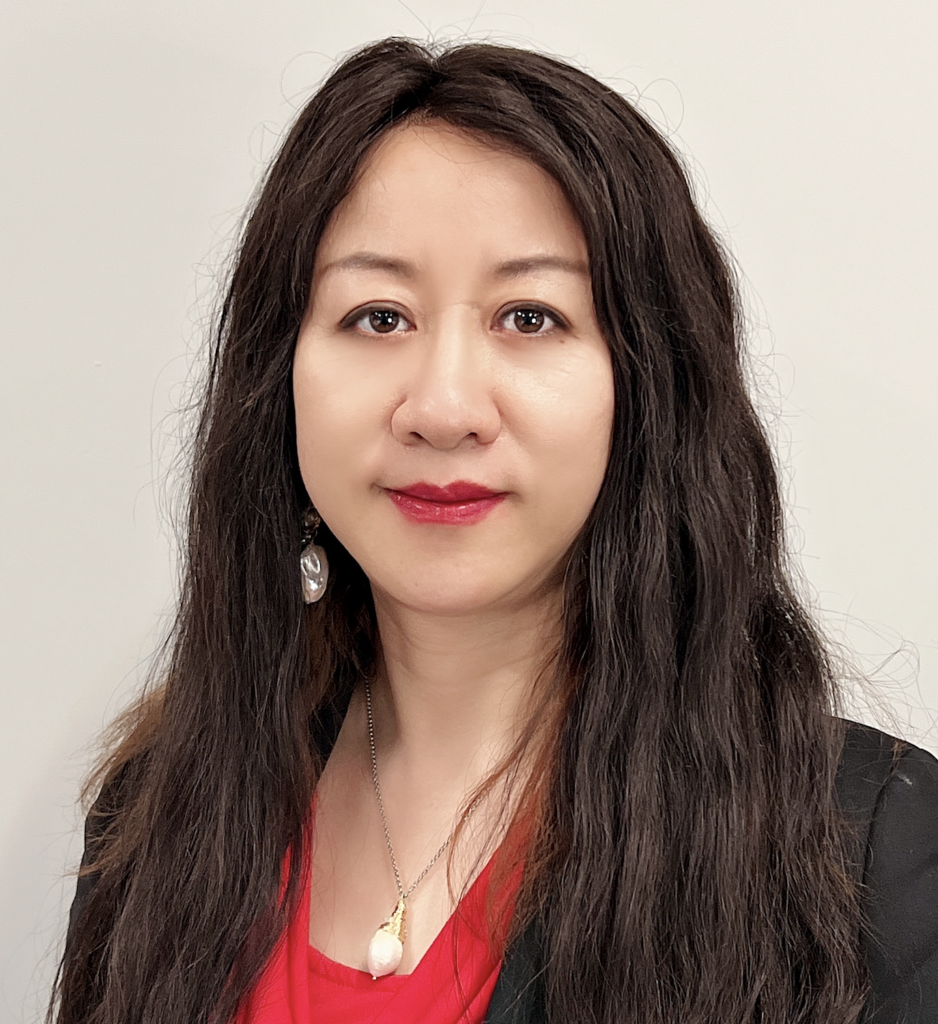
Angelene Huang
Angelene Huang is the Founder and CEO of Alliance for Impact (AFI), a 501(c)(3) nonprofit that focuses on finance and investment education, social impact, and community leadership activities. Since the Covid-19 outbreak, AFI and its affiliates have raised millions of dollars for Personal Protective Equipment (PPE) and provided over 1,000+ online seminars and workshops. By emphasizing social impact, AFI has grown to become one of the largest Asian professional networks with more than 50,000 members. She is also the Board Chair for the Youth Entrepreneurship and Finance Association (YEFA). YEFA’s mission is to empower the next generation with financial literacy and business thinking and encourage youth entrepreneurship and social responsibility to better serve the community.
Ms. Huang previously served as the Head of Treasury for Two Sigma Investments, a top global quantitative hedge fund based in New York. She was responsible for billions of dollars in short-term investments. Before that, she was a senior Foreign currency trader at IBM Headquarters in New York.
Ms. Huang holds an MBA from the Yale School of Management, a Master's degree in Computer Science and Civil Engineering, and a Bachelor's degree in Environmental Science from Tsinghua University.
Ms. Huang previously served as the Head of Treasury for Two Sigma Investments, a top global quantitative hedge fund based in New York. She was responsible for billions of dollars in short-term investments. Before that, she was a senior Foreign currency trader at IBM Headquarters in New York.
Ms. Huang holds an MBA from the Yale School of Management, a Master's degree in Computer Science and Civil Engineering, and a Bachelor's degree in Environmental Science from Tsinghua University.
Bisrat Aklilu
Bisrat Aklilu is a senior advisor for sustainable development and fund management for various governments and international organizations. He served the United Nations for over 30 years starting as Portfolio Manager for the International Fund for Agricultural Development (IFAD), Deputy Executive Director and Director of Operations of the UN Office for Project Services (UNOPS) and Executive Coordinator of the UN-wide Multi-Partner Trust Fund Office (MPTF Office) in UNDP. He established and managed the MPTF Office, which when he left the UN in 2013, had a portfolio of over 100 UN Trust Funds with $6 billion funding and was the first UN Office to introduce full public transparency through real-time financial and narrative reporting.
Dr. Aklilu has served on the Boards of the Center for International Forestry Research (CIFOR), the Ethiopian Diaspora Trust Fund (EDTF) and the United Nations Peacebuilding Fund (UNPBF). At present he is on the Boards of Oxfam America and Chemonics International (as Vice-Board Chair), and advisor to the Syria Recovery Trust Fund (SRTF). He holds a Ph.D. and M.A. in Economics from Boston University, where he was also an Assistant Professor and a M.Sc. in Agricultural Economics from the University of Massachusetts.
Dr. Aklilu has served on the Boards of the Center for International Forestry Research (CIFOR), the Ethiopian Diaspora Trust Fund (EDTF) and the United Nations Peacebuilding Fund (UNPBF). At present he is on the Boards of Oxfam America and Chemonics International (as Vice-Board Chair), and advisor to the Syria Recovery Trust Fund (SRTF). He holds a Ph.D. and M.A. in Economics from Boston University, where he was also an Assistant Professor and a M.Sc. in Agricultural Economics from the University of Massachusetts.
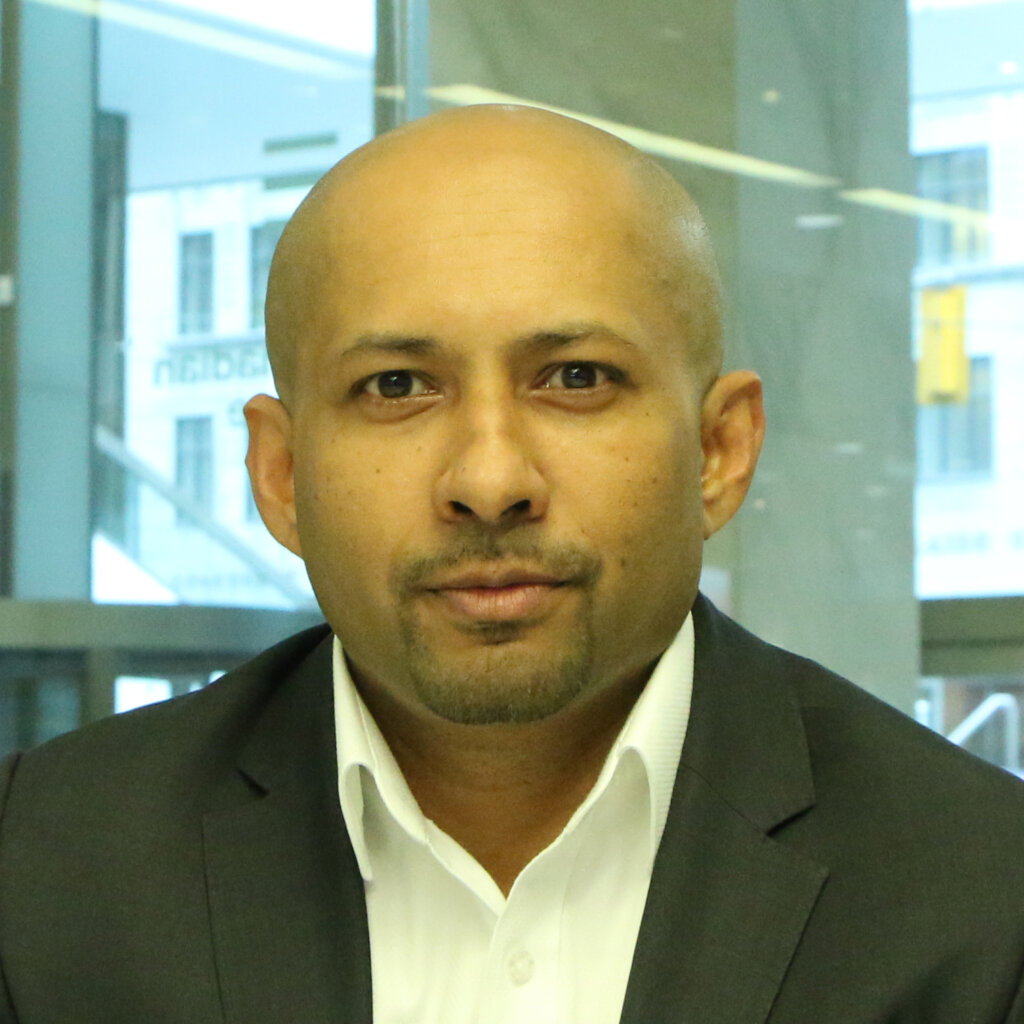
Chami Akmeemana
Chami Akmeemana is the CEO of Convergence.Tech and Trybe.ID. He pursued a Ph.D. in 3D Printing of Bioceramic Engineering at Queen Mary, University of London, until deciding to forgo an academic career in favor of Law Enforcement. In 2002, he joined London’s Metropolitan Police.
Mr. Akmeemana has had 4 successful exits over the last 16 years and is passionate about the intersection of technology, business and social good. His experience includes serving as Fintech Advisor to the Ontario Securities Commission; Managing Director, Fintech and Blockchain at the Global Risk Institute and also serves on the advisory committee of Supply Chain Canada.
Mr. Akmeemana has had 4 successful exits over the last 16 years and is passionate about the intersection of technology, business and social good. His experience includes serving as Fintech Advisor to the Ontario Securities Commission; Managing Director, Fintech and Blockchain at the Global Risk Institute and also serves on the advisory committee of Supply Chain Canada.

Joost Oorthuizen
Joost Oorthuizen became CEO of Invest International on 19 October 2020. Invest International is a new development and finance facility planning to open its doors in 2021. Its shareholders are the Dutch government and FMO. It brings together 100s of development professionals and investment managers from FMO and RVO under one roof, and over 2 B Euro's of development and project finance. Its mandate is to create SDG impact in emerging markets in sectors relevant for the Dutch economy. Dr. Oorthuizen previously served as the founding CEO of The Sustainable Trade Initiative (IDH). IDH is a government-funded organisation that structures, monitors and finances projects to leverage private sector investments in the Sustainable Development Goals through grants, loans and guarantees. IDH is involved with public-private partnerships in 15 different commodity sectors, and invests over 100 M Euro annually in innovations in global supply chains, working with over 500 companies.
Dr. Oorthuizen serves as a Board Member and played a key role in incorporating the &GreenFund to provide long-term mezzanine finance to supply chain companies investing in sustainable commodity production in emerging markets. He holds a PhD from Wageningen University in natural resource management, a post-master in change management and was schooled at Insead in financial management.
Dr. Oorthuizen serves as a Board Member and played a key role in incorporating the &GreenFund to provide long-term mezzanine finance to supply chain companies investing in sustainable commodity production in emerging markets. He holds a PhD from Wageningen University in natural resource management, a post-master in change management and was schooled at Insead in financial management.
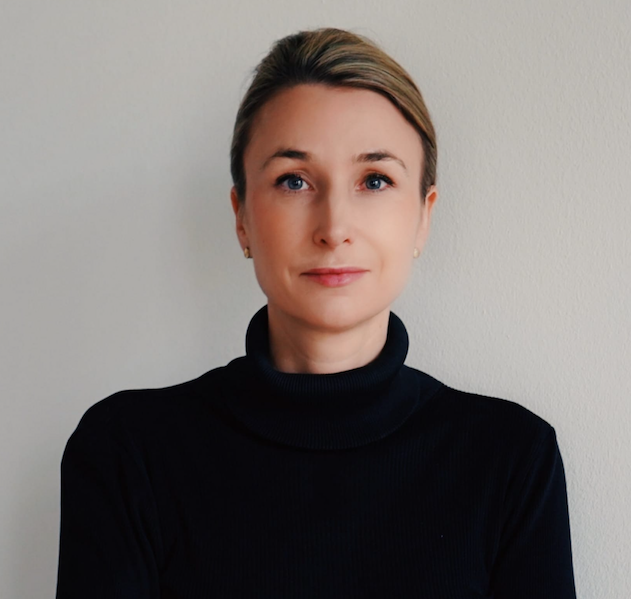
Manon Littek
Manon Littek is widely recognized as one of Europe's pioneering investors in food tech and a prominent figure in the food tech and green tech ecosystems. In addition to serving on the Finance Advisory Board at the Global Alliance for a Sustainable Planet, she is an independent board member at Upfield, a company backed by KKR. Dr. Littek is also a founding partner of the Green Generation Fund, a recently established venture capital firm that focuses on supporting early-stage sustainable food tech and green tech companies in both Europe and the US. Prior to her current roles, Dr. Littek was the CEO of Katjesgreenfood and the Managing Director of DLD Ventures at Hubert Burda Media, where she led various initiatives that helped to drive innovation in the industry.
Dr. Littek holds a doctoral degree from the FU Berlin and a BA in Philosophy from Oxford University. In recognition of her significant contributions to the industry, Dr. Littek was awarded the "Best Female Investor" award by KfW in 2022.
Dr. Littek holds a doctoral degree from the FU Berlin and a BA in Philosophy from Oxford University. In recognition of her significant contributions to the industry, Dr. Littek was awarded the "Best Female Investor" award by KfW in 2022.
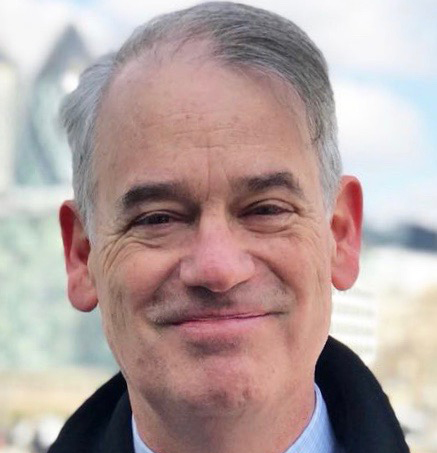
Sean Kidney
Sean Kidney is CEO of the Climate Bonds Initiative, an international NGO working to mobilize global capital for climate action. Projects include a green bond definitions and certification scheme with $34T of assets represented on its Board and some 200 organizations involved in its development and governance; working with the Chinese central bank on how to grow green bonds in China; and market development programs in Brazil, Mexico, Colombia, Nigeria and East Africa.
He is a member of the European Commission's Platform on Sustainable Finance, and was a member of its predecessors, the 2017 EU High Level Expert Group on Sustainable Finance and the EU Technical Expert Group on Sustainable Finance. He is also a member of green finance advisory groups in China, India, Mexico and Kazakhstan. Sean is also a Professor in Practice at SOAS University of London.
He is a member of the European Commission's Platform on Sustainable Finance, and was a member of its predecessors, the 2017 EU High Level Expert Group on Sustainable Finance and the EU Technical Expert Group on Sustainable Finance. He is also a member of green finance advisory groups in China, India, Mexico and Kazakhstan. Sean is also a Professor in Practice at SOAS University of London.

Tony Lent
Tony Lent has been working at the intersection of climate and investment for 27 years, building principal investing businesses. He is the co-founder of Capital for Climate, an intelligence platform to help large scale investors navigate towards the highest leverage opportunities on the path to net zero. He has mobilized more than $2 billion into the low-carbon market transition.
Mr. Lent holds an MBA with an emphasis in technology commercialization and strategy from the Haas School of Business at the University of California, Berkeley, and a BS in Biology from Tufts University.
Mr. Lent holds an MBA with an emphasis in technology commercialization and strategy from the Haas School of Business at the University of California, Berkeley, and a BS in Biology from Tufts University.
Management Team
Satya S. Tripathi
Secretary-General
Satya S. Tripathi is Secretary-General of the Global Alliance for a Sustainable Planet.
A development economist, lawyer and changemaker with over 40 years of varied experience, Mr. Tripathi is the Chancellor of Kalinga Institute of Social Sciences - the world's largest academic institution dedicated exclusively to indigenous people and cultures. He is also a Senior Distinguished Fellow on Innovative Finance at the World Agroforestry Centre.
He has served with the UN for more than two decades in key positions across the planet and was most recently the UN Assistant Secretary-General, Head of New York Office at UN Environment and Secretary of the UN Environment Management Group. His other strategic engagements with the UN include: Head of Human Rights Investigations for the UN in post-war Bosnia (UNMIBH); Chair of the Committees on Laws, Treaties and Administrative matters for the UN-mediated Cyprus unification talks in 2004; UN Recovery Coordinator for Aceh and Nias where he facilitated international cooperation and funding of over US$ 7 billion for post-tsunami recovery efforts in support of the government and affected populations; and Executive Head of UNORCID, a UN System Office established by the UN Secretary General in 2011 to facilitate the implementation of a US$ 1 Billion REDD+ partnership between Indonesia, Norway and other stakeholders.
Mr. Tripathi was instrumental in establishing the Tropical Landscapes Finance Facility (TLFF) in Indonesia in 2016 and the Sustainable India Finance Facility (SIFF) in 2017 to leverage ‘private finance for public good’ at mega-scale to achieve transformative social and environmental impact for millions of people in developing countries. He previously served on the World Economic Forum’s Global Agenda Council on Forests.
A development economist, lawyer and changemaker with over 40 years of varied experience, Mr. Tripathi is the Chancellor of Kalinga Institute of Social Sciences - the world's largest academic institution dedicated exclusively to indigenous people and cultures. He is also a Senior Distinguished Fellow on Innovative Finance at the World Agroforestry Centre.
He has served with the UN for more than two decades in key positions across the planet and was most recently the UN Assistant Secretary-General, Head of New York Office at UN Environment and Secretary of the UN Environment Management Group. His other strategic engagements with the UN include: Head of Human Rights Investigations for the UN in post-war Bosnia (UNMIBH); Chair of the Committees on Laws, Treaties and Administrative matters for the UN-mediated Cyprus unification talks in 2004; UN Recovery Coordinator for Aceh and Nias where he facilitated international cooperation and funding of over US$ 7 billion for post-tsunami recovery efforts in support of the government and affected populations; and Executive Head of UNORCID, a UN System Office established by the UN Secretary General in 2011 to facilitate the implementation of a US$ 1 Billion REDD+ partnership between Indonesia, Norway and other stakeholders.
Mr. Tripathi was instrumental in establishing the Tropical Landscapes Finance Facility (TLFF) in Indonesia in 2016 and the Sustainable India Finance Facility (SIFF) in 2017 to leverage ‘private finance for public good’ at mega-scale to achieve transformative social and environmental impact for millions of people in developing countries. He previously served on the World Economic Forum’s Global Agenda Council on Forests.
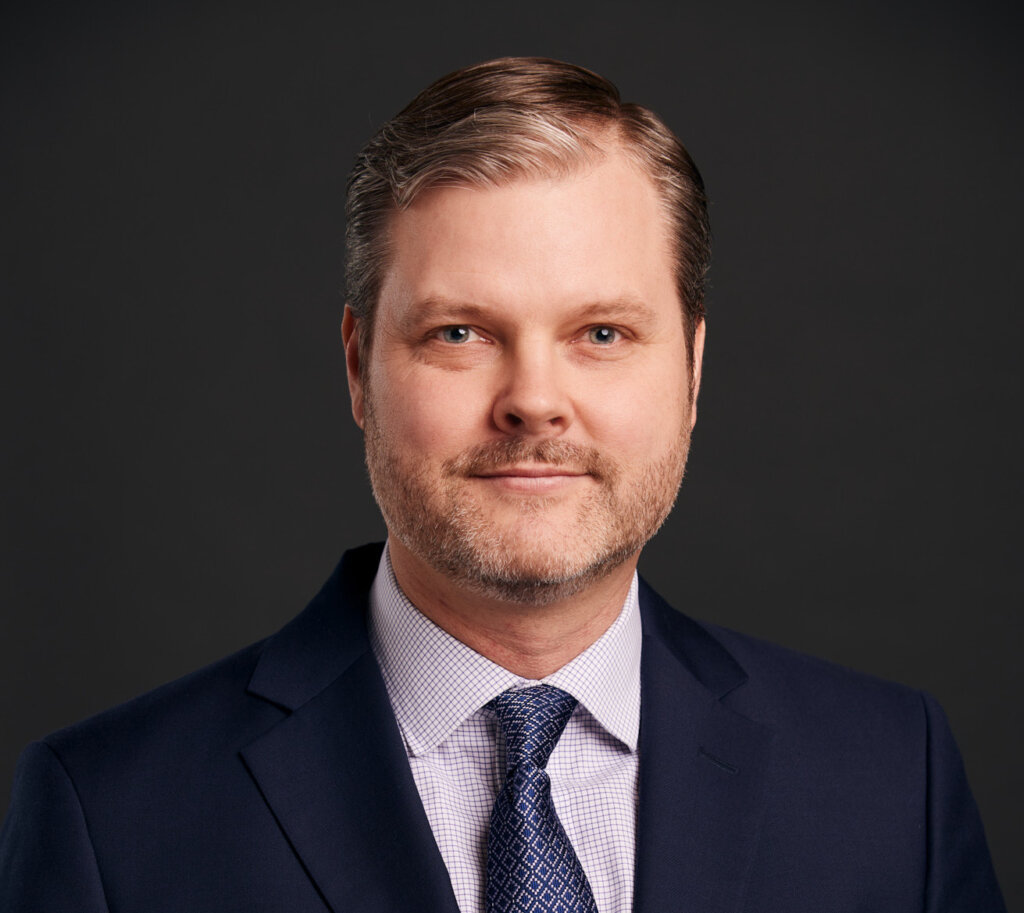
Bryan Taylor
Managing Director, Strategic Partnerships
Bryan Taylor is a passionate leader who can create a vision and implement it in complex stakeholder environments. He has strong global operational management experience and networks. Bryan’s interests lie in interdisciplinary approaches which transcend barriers to address emerging 21st century risks and opportunities. Above all, he is motivated by initiatives with positive and lasting social and environmental impacts.
Bryan previously served as Chief Operating Officer (COO) at the Tropical Landscapes Finance Facility (TLFF) in Indonesia, a partnership between UN Environment Programme, World Agroforestry (ICRAF), ADM Capital, and BNP Paribas. Before that he was Manager of Special Initiatives for Reducing Emissions from Deforestation and Forest Degradation (REDD+) at the United Nations Development Programme (UNDP) and Country Manager of the United Nations Office for Project Services (UNOPS).
Prior to his UN career, Bryan worked as a professional engineer in the private sector in North America. Bryan holds a Master of Public Policy and Global Affairs from the University of British Columbia and a Bachelor of Engineering from McGill University.
Bryan previously served as Chief Operating Officer (COO) at the Tropical Landscapes Finance Facility (TLFF) in Indonesia, a partnership between UN Environment Programme, World Agroforestry (ICRAF), ADM Capital, and BNP Paribas. Before that he was Manager of Special Initiatives for Reducing Emissions from Deforestation and Forest Degradation (REDD+) at the United Nations Development Programme (UNDP) and Country Manager of the United Nations Office for Project Services (UNOPS).
Prior to his UN career, Bryan worked as a professional engineer in the private sector in North America. Bryan holds a Master of Public Policy and Global Affairs from the University of British Columbia and a Bachelor of Engineering from McGill University.

Thandie Barretto
Special Assistant to the Secretary General
Thandie Barretto is a biotechnology and food science graduate with a deep passion for all things food. What began as a youthful culinary curiosity has evolved into a strong interest in global agri-food systems and advocacy for sustainability within this field.
Before returning to her hometown in Goa, Thandie lived in France, where she pursued her Master's degree, and briefly resided in Brussels, where she interned as a QA assistant at an ingredient start-up. She currently works as a product development associate at a ready-to-eat foods start-up and volunteers as a digital archivist at an arts and culture organization.
Thandie's previous internship and volunteer experiences include quality assurance at Nestlé, laboratory assistance at the National Centre for Oceanic Research, documentation coordination for the THRIVE project, and working on organic farms through WWOOF France.
Before returning to her hometown in Goa, Thandie lived in France, where she pursued her Master's degree, and briefly resided in Brussels, where she interned as a QA assistant at an ingredient start-up. She currently works as a product development associate at a ready-to-eat foods start-up and volunteers as a digital archivist at an arts and culture organization.
Thandie's previous internship and volunteer experiences include quality assurance at Nestlé, laboratory assistance at the National Centre for Oceanic Research, documentation coordination for the THRIVE project, and working on organic farms through WWOOF France.

Atika Sari
Senior Administrative Officer
An international development professional and sports leader, she currently serves as Chief of International Relations for the Aceh Province Fencing Association, Indonesia, supporting global training partnerships and international competitions, including the Indonesia Open Fencing Championship. She is also an International Referee with the All Indonesian Fencing Association, officiating at provincial, national, and international levels.
Her United Nations career forms the foundation of her professional expertise. She served as Executive Assistant to the Director at the United Nations Office for REDD+ Coordination in Indonesia (UNORCID), supporting senior leadership, coordinating high-level government engagement, and contributing to national and regional development forums.
Previously, with the United Nations Development Programme, she played a key role in overseeing administration, finance, HR, and procurement systems. She also supported post-tsunami recovery efforts while working with the UN Office of the Recovery Coordinator for Aceh and Nias (UNORC), and earlier in the Food and Agriculture Organization, providing coordination and support services during the large-scale tsunami recovery and rehabilitation program.
Her United Nations career forms the foundation of her professional expertise. She served as Executive Assistant to the Director at the United Nations Office for REDD+ Coordination in Indonesia (UNORCID), supporting senior leadership, coordinating high-level government engagement, and contributing to national and regional development forums.
Previously, with the United Nations Development Programme, she played a key role in overseeing administration, finance, HR, and procurement systems. She also supported post-tsunami recovery efforts while working with the UN Office of the Recovery Coordinator for Aceh and Nias (UNORC), and earlier in the Food and Agriculture Organization, providing coordination and support services during the large-scale tsunami recovery and rehabilitation program.
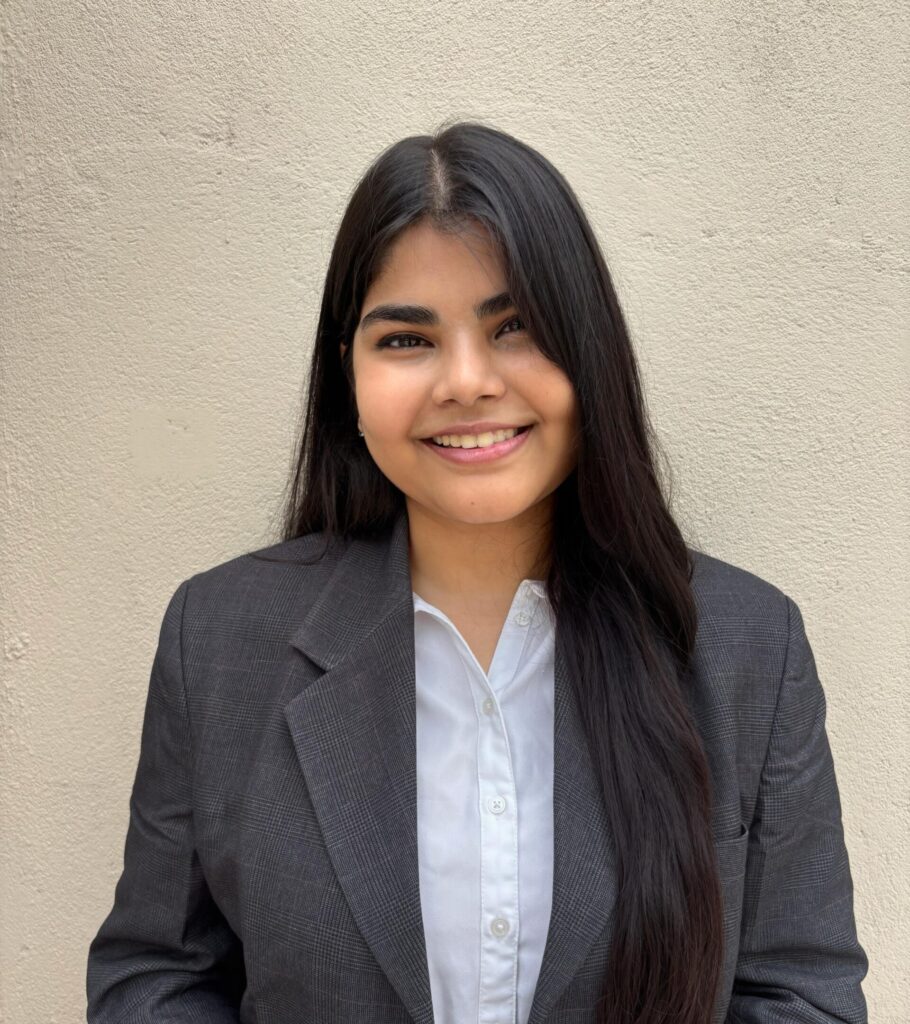
Amrita Aditi
Communications Officer
Amrita Aditi is a communications and social media strategist who tries to skilfully navigate the ever-evolving landscape of digital communication, the intersection of traditional media outreach and modern online platforms to build compelling narratives and drive engagement.
She holds a bachelors and Master’s degree in English Literature from University of Delhi, India. With a strong foundation in research and academic writing, she has honed her skills in digital marketing and content writing, effectively communicating complex ideas to diverse audiences.
In addition to their professional pursuits, she enjoys painting and reading, finding inspiration in the arts and literature. Her goal is to help amplify the voices of marginalized communities often affected disproportionately within the environmental discourse.
She holds a bachelors and Master’s degree in English Literature from University of Delhi, India. With a strong foundation in research and academic writing, she has honed her skills in digital marketing and content writing, effectively communicating complex ideas to diverse audiences.
In addition to their professional pursuits, she enjoys painting and reading, finding inspiration in the arts and literature. Her goal is to help amplify the voices of marginalized communities often affected disproportionately within the environmental discourse.

Lily Tang
World Conservation Fellow
Lily Tang (she/her) is the World Conservation Fellow at the Global Alliance for Sustainable Planet (GASP). She brings to this role her passion for working across communities and building collaborations to ensure a more resilient, equitable and just future for all. Outside of GASP, Lily is an educator and the co-founder of the SDG Youth Action Project, where she brings awareness to Indigenous communities and issues in Taiwan and assists local projects in gaining funding and partnerships that will ensure that Indigenous voices are centered in SDG action in the region.
Lily graduated from the University of Massachusetts Amherst with a dual degree in Political Science and Individual Concentration in Global Studies, focusing on Asian and Asian American Studies. Additionally, she is serving as an Advisory Board Member of the UMass Asian & Asian American Studies Certificate Program (AAASCP).
Lily graduated from the University of Massachusetts Amherst with a dual degree in Political Science and Individual Concentration in Global Studies, focusing on Asian and Asian American Studies. Additionally, she is serving as an Advisory Board Member of the UMass Asian & Asian American Studies Certificate Program (AAASCP).

Sunetra Ghosh
Strategic Communications Associate
Sunetra is a Senior Communications specialist with 15 years of experience. She has worked with national and international agencies including UN agencies worldwide (WHO, UNAIDS Geneva, UNICEF Nigeria, India, IntraHealth International and The International Union Against TB and Lung Diseases).
She specializes in Strategic Communications, Advocacy, Media Relations, Branding and Partnership Engagement. She holds a Masters degree in Sociology, a post graduation in Health Management and Public Relations, along with a degree in Mass Communications and Journalism.
Her hobbies include music, reading, travel and cooking. She espouses a number of causes including education, environmental issues and is also an active volunteer for animal welfare.
She specializes in Strategic Communications, Advocacy, Media Relations, Branding and Partnership Engagement. She holds a Masters degree in Sociology, a post graduation in Health Management and Public Relations, along with a degree in Mass Communications and Journalism.
Her hobbies include music, reading, travel and cooking. She espouses a number of causes including education, environmental issues and is also an active volunteer for animal welfare.

Chabeli Chain
Indigenous Rights Advisor
Chabeli Chain is a musician and activist, with experience as digital community manager, a blog writer and a content creator from Puerto Ayacucho, Amazonas, Venezuela. She is passionate about supporting the indigeneous tribes of the Amazon through raising awareness on sustainable development and cultural understanding. She believes that by supporting natives and empowering small producers, is the way to conservation of the Amazon rainforest territory.

Daksha Gupta
Research Assistant
Daksha is a GARP-certified Sustainability and Climate Risk professional with research expertise in climate security, geopolitics, and sustainability.
Currently at Chatham House, she has experience in policy research and business development, and has published research on circular approaches to shipbreaking in South Asia.
She holds a Master's degree with Distinction in Conflict, Security, and Development from King's College London. Her volunteering experience ranges from teaching children about climate action to animal rescue efforts.
Currently at Chatham House, she has experience in policy research and business development, and has published research on circular approaches to shipbreaking in South Asia.
She holds a Master's degree with Distinction in Conflict, Security, and Development from King's College London. Her volunteering experience ranges from teaching children about climate action to animal rescue efforts.
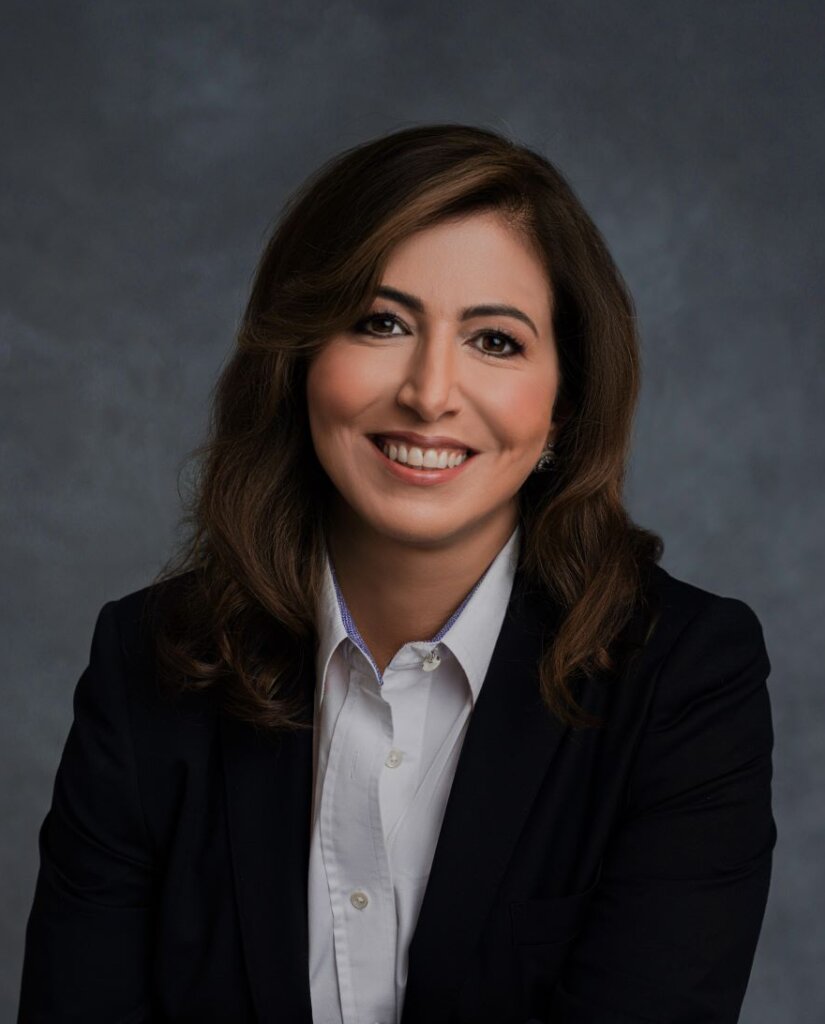
Dina L. Storey
Director, MENA Region
Dina Storey is a climate change and sustainability expert and an executive advisor to governments, civil society organizations and the private sector. With nearly 20 years of experience, Dina is currently a senior partner with Marfa Advisors focusing on sustainable finance mechanisms, PPP’s, entrepreneurship and innovative climate technologies. She also served as the Senior Director for the UAE Independent Climate Change Accelerators (UICCA) and was the ESG and Sustainability Partner with PwC MENA.
Dina led the sustainability strategy for the World Expo 2020 Dubai, as the Director of Sustainability Operation. In this role, she spearheaded the development and implementation of the World Expo’s sustainability strategy and operational excellence. She speaks regularly at high-profile global events related to climate finance, social impact, circular economy and environmental sustainability.
Dina serves on numerous boards including The Great Green Wall of Africa Foundation and The Beekeepers Foundation. She is a LEED-certified sustainability expert with a BSc in Chemical Engineering, an MBA in international Business, and a Masters in Sustainability Management from Columbia University, New York.
Dina led the sustainability strategy for the World Expo 2020 Dubai, as the Director of Sustainability Operation. In this role, she spearheaded the development and implementation of the World Expo’s sustainability strategy and operational excellence. She speaks regularly at high-profile global events related to climate finance, social impact, circular economy and environmental sustainability.
Dina serves on numerous boards including The Great Green Wall of Africa Foundation and The Beekeepers Foundation. She is a LEED-certified sustainability expert with a BSc in Chemical Engineering, an MBA in international Business, and a Masters in Sustainability Management from Columbia University, New York.
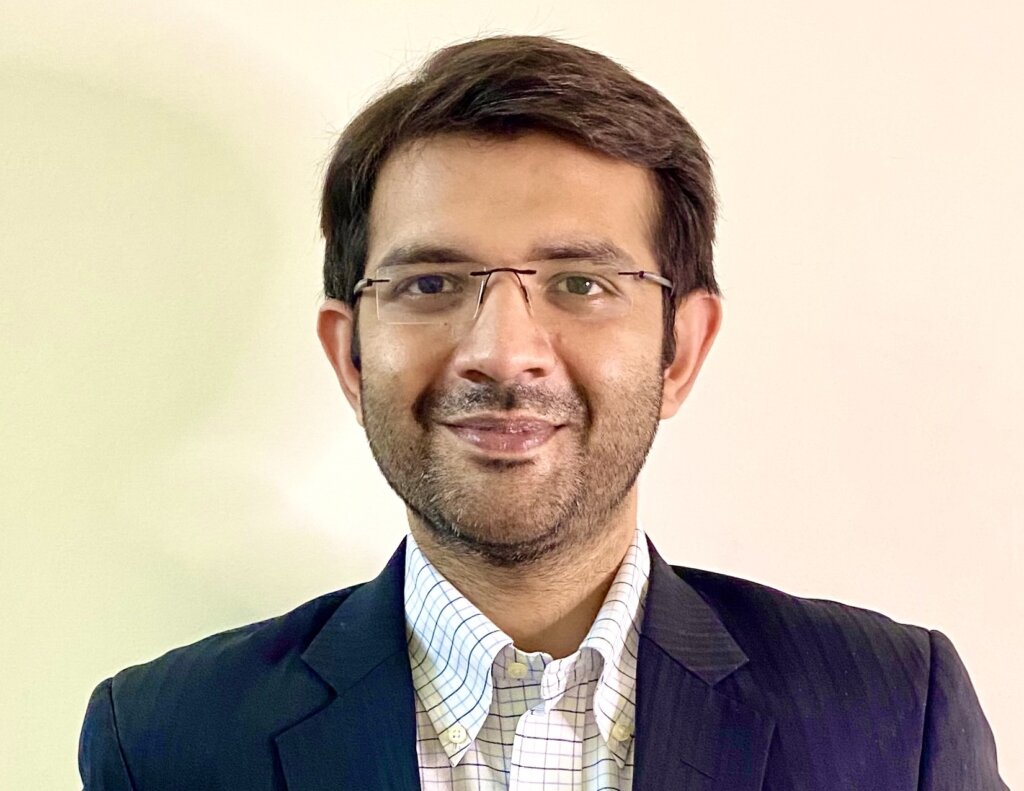
Eeshan Chaturvedi
Policy Advisor
Eeshan Chaturvedi is an environmental and energy scholar.
He is the Founder-Director of the environmental consultancy firm 'EnviPol', Co-Director of the Global Policy, Diplomacy, and Sustainability (GPODS) Fellowship (gpods.org), Assistant Dean at the Jindal School of Environment and Sustainability, and also a Member of the World Commission on Environmental Law; International Association for Water Law, Rome; Global Network for Human Rights and Environment, and Global Policy Insights.
Mr. Chaturvedi holds a Masters in Environmental Law and Policy from Stanford Law School, where he was selected as one of the top 20 Rising Environmental Leaders.
He is the Founder-Director of the environmental consultancy firm 'EnviPol', Co-Director of the Global Policy, Diplomacy, and Sustainability (GPODS) Fellowship (gpods.org), Assistant Dean at the Jindal School of Environment and Sustainability, and also a Member of the World Commission on Environmental Law; International Association for Water Law, Rome; Global Network for Human Rights and Environment, and Global Policy Insights.
Mr. Chaturvedi holds a Masters in Environmental Law and Policy from Stanford Law School, where he was selected as one of the top 20 Rising Environmental Leaders.
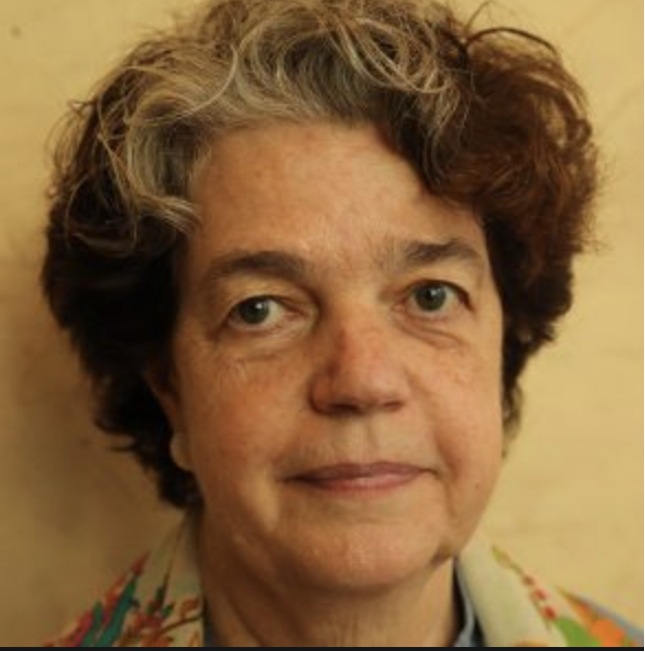
Eileen de Ravin
Special Events Coordinator
Eileen de Ravin has managed many events, from several to hundreds of attendees, over her 15 years at the United Nations. While on UNDPs Environment team she managed the Equator Initiative for over ten years.
Ms. de Ravin has deep experience with environmental issues and health care, program management, and partnership building. Eileen holds a Masters in Public Health from Columbia University and a BA in Anthropology from Fordham University. Before UNDP she spent eight years leading a Community Based Development Programme in India with a strong focus on health care and environment. Before that Eileen was a midwife and women’s health care practitioner in inner city New York.
Ms. de Ravin has deep experience with environmental issues and health care, program management, and partnership building. Eileen holds a Masters in Public Health from Columbia University and a BA in Anthropology from Fordham University. Before UNDP she spent eight years leading a Community Based Development Programme in India with a strong focus on health care and environment. Before that Eileen was a midwife and women’s health care practitioner in inner city New York.
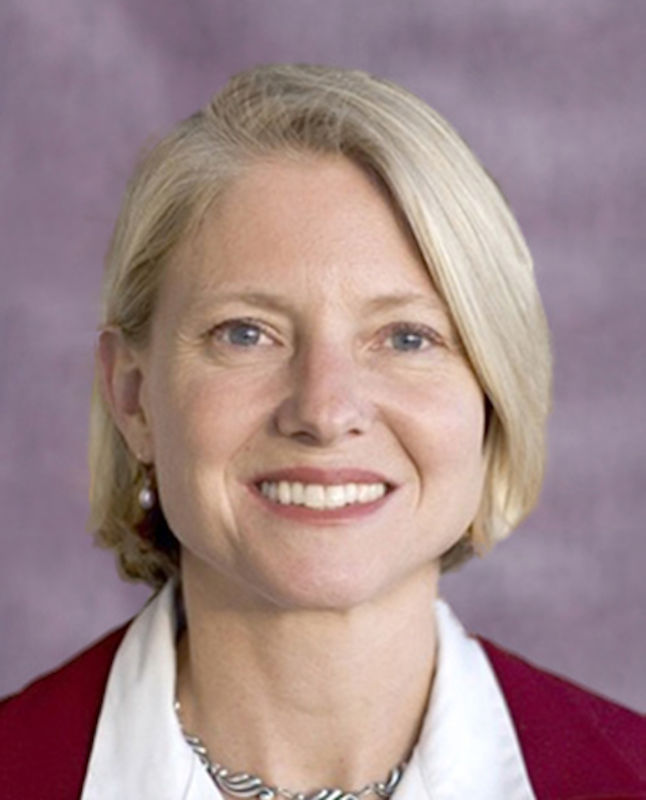
Elle Carberry
Director, Strategy and Outreach
Elle Carberry is Go-to-Market Leader, Enterprise Strategy-Sustainability, and Global Business Services at IBM. She previously served as IBM’s Director of Strategy and Environment, working to electrify energy, environment, and utility industries in order to decrease carbon emissions to mitigate climate change.
Ms. Carberry brings over two decades of experience in commercializing advanced technology products and services in Asia and the United States. She has served as VP Corporate Development at Mainspring and Ziff-Davis Online Network, and was a Regional Sales Manager for IBM’s US Financial Services Sector. As Director of IBM Global Services & Business Consulting Services, Ms. Carberry introduced and led a new unit into China’s Financial Services Sector. She also expanded Red Hat, an American IBM subsidiary software company, into China, where she grew the $30M OEM business by 15-30% CAGR.
In 2008, Ms. Carberry founded the China Greentech Initiative, a Chinese-International commercial platform of 100+ commercial and policy organizations and 500+ experts focused on identifying, developing, and promoting green technology. In 2014, the China Greentech Initiative merged with the Paulson Institute, with Ms. Carberry serving as Managing Director of the China Office.
Ms. Carberry has also served as Advisor for Greentech Capital Advisors, and was Vice President of Georgetown University, where she graduated herself in 1983, holding a B.A. in Economics and Literature.
Ms. Carberry brings over two decades of experience in commercializing advanced technology products and services in Asia and the United States. She has served as VP Corporate Development at Mainspring and Ziff-Davis Online Network, and was a Regional Sales Manager for IBM’s US Financial Services Sector. As Director of IBM Global Services & Business Consulting Services, Ms. Carberry introduced and led a new unit into China’s Financial Services Sector. She also expanded Red Hat, an American IBM subsidiary software company, into China, where she grew the $30M OEM business by 15-30% CAGR.
In 2008, Ms. Carberry founded the China Greentech Initiative, a Chinese-International commercial platform of 100+ commercial and policy organizations and 500+ experts focused on identifying, developing, and promoting green technology. In 2014, the China Greentech Initiative merged with the Paulson Institute, with Ms. Carberry serving as Managing Director of the China Office.
Ms. Carberry has also served as Advisor for Greentech Capital Advisors, and was Vice President of Georgetown University, where she graduated herself in 1983, holding a B.A. in Economics and Literature.

Femi Peter Alege
Research Officer
Femi Peter Alege, Ph.D., has been a Research Fellow with E8 Cleantech Angel Investors in Seattle, Washington since 2019. In this role, he reviewed several technologies and provided technical guidance to investors on agricultural and clean technologies. His work experience includes academia, banking, and law enforcement.
Dr. Alege is passionate about sustainable agriculture and environmental pollution control. He holds a Ph.D. in Biosystems and Agricultural Engineering from Washington State University. He obtained his master’s degree in Agricultural and Environmental Engineering from the University of Ibadan, Nigeria. He is a member of the American Society of Agricultural and Biological Engineers (ASABE), the United States Composting Council, and the African Group Network of the ASABE.
Dr. Alege is passionate about sustainable agriculture and environmental pollution control. He holds a Ph.D. in Biosystems and Agricultural Engineering from Washington State University. He obtained his master’s degree in Agricultural and Environmental Engineering from the University of Ibadan, Nigeria. He is a member of the American Society of Agricultural and Biological Engineers (ASABE), the United States Composting Council, and the African Group Network of the ASABE.

Kwasi Akyeampong
Regional Coordinator for Africa
Kwasi Akyeampong is the Chief Transformation Officer of Fidelity Bank, in Ghana. Kwasi has over two decades of experience working in the investment banking industry in London. Before joining Fidelity, Kwasi where he served as the technology head of strategy, architecture and innovation for the Fixed Income and Wealth management within the investment banking division.
Kwasi initially joined Credit Suisse as the Global Head of Commodities Technology. Prior to that, he was the Global Head of Commodities Trading and Sales Technology at Morgan Stanley. Having held a variety of senior roles within the industry, Kwasi has a vast experience in leading large teams globally.
Kwasi was also the Chair of the UK Financial Inclusion Advocates at Credit Suisse. This role enabled him to leverage the skills and enthusiasm of Credit Suisse employees to raise awareness, build, advance financial inclusion, and impact investing efforts across the firm to address some of the SDG goals.
Kwasi holds a first-class degree in Computer Science from Salford University in Manchester, and a MSc in Finance from the London Business School.
Kwasi initially joined Credit Suisse as the Global Head of Commodities Technology. Prior to that, he was the Global Head of Commodities Trading and Sales Technology at Morgan Stanley. Having held a variety of senior roles within the industry, Kwasi has a vast experience in leading large teams globally.
Kwasi was also the Chair of the UK Financial Inclusion Advocates at Credit Suisse. This role enabled him to leverage the skills and enthusiasm of Credit Suisse employees to raise awareness, build, advance financial inclusion, and impact investing efforts across the firm to address some of the SDG goals.
Kwasi holds a first-class degree in Computer Science from Salford University in Manchester, and a MSc in Finance from the London Business School.
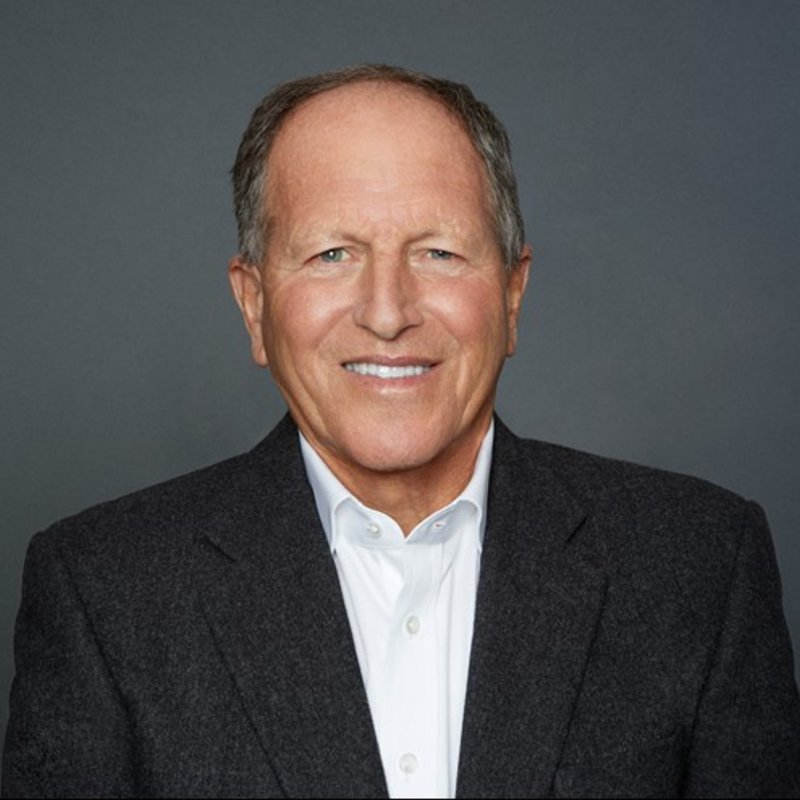
Larry Hutcher
General Counsel
Larry Hutcher is Co-Founder and Co-Managing Partner of Davidoff Hutcher Citron LLP (DHC) where he has spent his entire legal career. Using his formidable litigation insight, Mr. Hutcher concentrates on representing business owners in solving their business issues.
Throughout his illustrious career, Mr. Hutcher has built a reputation as a ‘lawyer’s lawyer’, being cited as a New York Super Lawyer in 2007, and from 2014 – 2020. His work and insights have appeared in various publications such as The American Lawyer, The New York Times, New York Post, New York Daily News, New York Law Journal, and Forbes.
With extensive experience in commercial law and litigation, Mr. Hutcher has tried cases in both New York State and Federal Courts, as well as arbitration proceedings throughout the United States. He has particular expertise in representing equity holders and partners in the resolution of ownership disputes and other intra-corporate issues.
Throughout his illustrious career, Mr. Hutcher has built a reputation as a ‘lawyer’s lawyer’, being cited as a New York Super Lawyer in 2007, and from 2014 – 2020. His work and insights have appeared in various publications such as The American Lawyer, The New York Times, New York Post, New York Daily News, New York Law Journal, and Forbes.
With extensive experience in commercial law and litigation, Mr. Hutcher has tried cases in both New York State and Federal Courts, as well as arbitration proceedings throughout the United States. He has particular expertise in representing equity holders and partners in the resolution of ownership disputes and other intra-corporate issues.
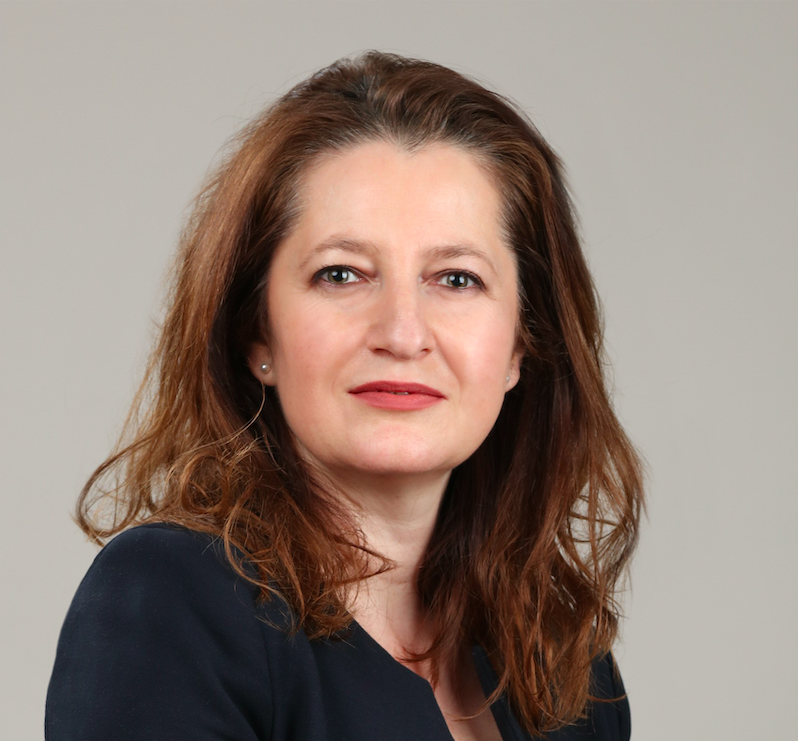
Lena Bratic
Regional Coordinator for Southeast Europe
Lena Bratic brings a purpose-driven private sector perspective from her role as Western Balkans Regional Manager for E3 International, where she has advanced the company’s mission to scale up investment in energy efficiency (EE), renewable energy (RE), and resilient infrastructure solutions creating economic, environmental, and energy benefits to support a world where all can thrive.
She has 15 years of experience in strategy, outreach, public relations, communications, media, and education, with an extensive background supporting projects in the industrial, commercial, and public sectors space. She has been involved internationally in the market assessment of nature-based solutions for climate adaptation, throughout Europe and EU transition countries.
Ms. Bratic has coordinated national and civil society actions, public awareness, and outreach campaigns throughout Southeast Europe, establishing networks of info-centers and related tools for capacity building to enable information dissemination and education in support of governments and citizens.
An alumnus of the University of Sarajevo, Ms. Bratic holds a Master’s degree in International Affairs.
She has 15 years of experience in strategy, outreach, public relations, communications, media, and education, with an extensive background supporting projects in the industrial, commercial, and public sectors space. She has been involved internationally in the market assessment of nature-based solutions for climate adaptation, throughout Europe and EU transition countries.
Ms. Bratic has coordinated national and civil society actions, public awareness, and outreach campaigns throughout Southeast Europe, establishing networks of info-centers and related tools for capacity building to enable information dissemination and education in support of governments and citizens.
An alumnus of the University of Sarajevo, Ms. Bratic holds a Master’s degree in International Affairs.

Mahesh Kc
Nature-based Solutions (NbS) Advisor
Mahesh Kc has over twenty years of experience in natural resource management and expertise in ecology, forestry, and agriculture. Mr. Kc served as a Forest Ranger at both the Department of Forests in Nepal and BC Ministry of Forests in Canada. He was also an Agriculture Adviser as part of a partnership between the Center for International Studies (CECI) and the Nepal Agriculture Co-operative Central Federation.
Mr. Kc holds a Master's in Ecology and Natural Resources Management from the Norwegian University of Life Sciences and is passionate about promoting Nature-based Solutions.
Mr. Kc holds a Master's in Ecology and Natural Resources Management from the Norwegian University of Life Sciences and is passionate about promoting Nature-based Solutions.
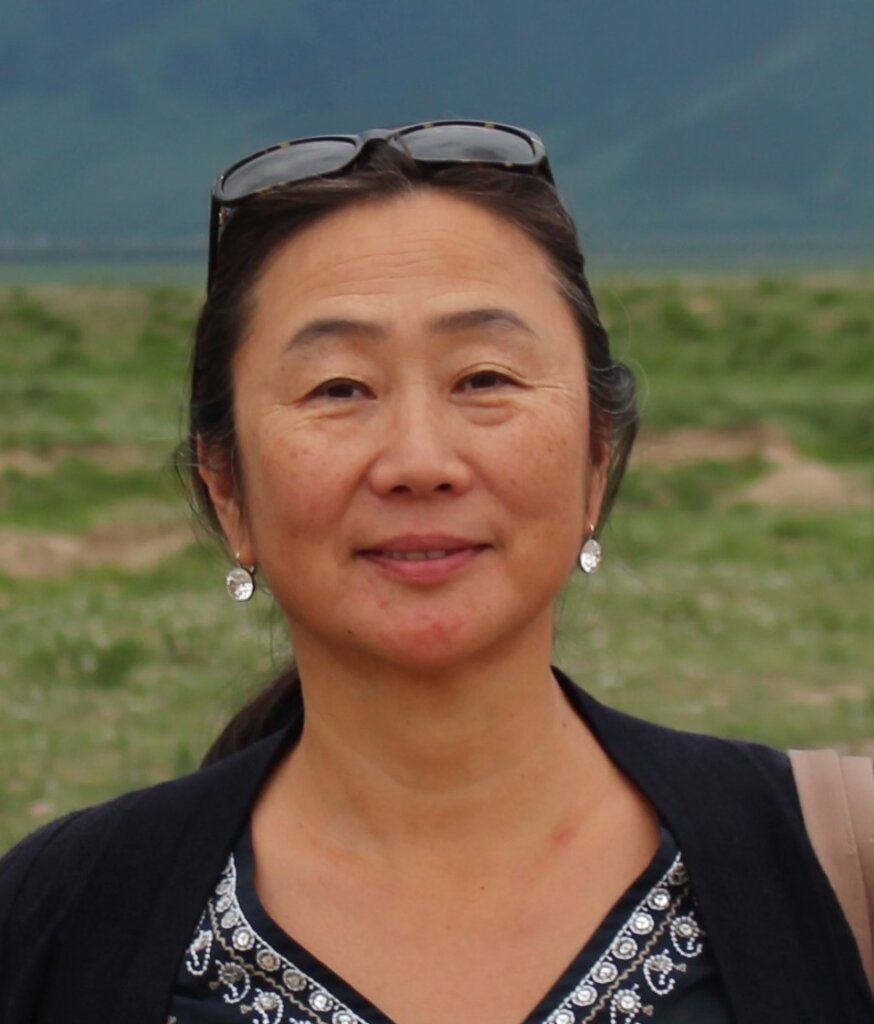
Nara Luvsan
Regional Coordinator for Eurasia
Nara Luvsan is a seasoned development professional with 28 years of diverse headquarters and field experience with the United Nations and World Bank on environmental economics, sustainable finance, transitional capacity development, migration policy, refugee reintegration, post-conflict reconstruction and capacity building.
Nara has led policy development, as well as negotiated, planned and supervised implementation of programs in the countries of the former Soviet Union and Eastern Europe, meeting humanitarian, environmental and development needs.
Her considerable experience in Central Asia, the Trans-Caucasus, Russia, China and former Soviet sphere, as well as in Western Europe, have provided her with an in-depth understanding of the economic conditions, legal structures, governmental operations and social needs and realities of the region. Fluent in many of the region’s languages, Nara has developed a strong ability to frame international activities in the local context.
Nara has led policy development, as well as negotiated, planned and supervised implementation of programs in the countries of the former Soviet Union and Eastern Europe, meeting humanitarian, environmental and development needs.
Her considerable experience in Central Asia, the Trans-Caucasus, Russia, China and former Soviet sphere, as well as in Western Europe, have provided her with an in-depth understanding of the economic conditions, legal structures, governmental operations and social needs and realities of the region. Fluent in many of the region’s languages, Nara has developed a strong ability to frame international activities in the local context.
Nick Mehmel
Climate Scientist
Nick Mehmel is a process development engineer at Heirloom, a company on a mission to remove 1 billion tons of carbon dioxide from the atmosphere by 2035 by harnessing mineralization to engineer the world’s most cost-effective Direct Air Capture solution.
Nick previously worked as a geospatial data analyst at GRID3 (Geo-Referenced Infrastructure and Demographic Data for Development) at Columbia University, where he specialized in mapping health facility accessibility across Sub-Saharan Africa. He has diverse research experience within climate science, having conducted field research on the Antarctic Peninsula where he studied the ecological response of marine bacteria to modern climate change. His previous research in the field of analytical geochemistry focused on the use of polar ice cores and marine sediment archives to reconstruct ancient climate anomalies.
Nick holds an MS in Earth Science with certification in GIS from Oregon State University, and a BA in Earth Science from Columbia University.
Nick previously worked as a geospatial data analyst at GRID3 (Geo-Referenced Infrastructure and Demographic Data for Development) at Columbia University, where he specialized in mapping health facility accessibility across Sub-Saharan Africa. He has diverse research experience within climate science, having conducted field research on the Antarctic Peninsula where he studied the ecological response of marine bacteria to modern climate change. His previous research in the field of analytical geochemistry focused on the use of polar ice cores and marine sediment archives to reconstruct ancient climate anomalies.
Nick holds an MS in Earth Science with certification in GIS from Oregon State University, and a BA in Earth Science from Columbia University.
Nilamadhab Panda
Director of SDG Media Lab
Nila Madhab Panda is an award winning film producer and director. He has produced and directed over 70 films, documentaries and shorts based on social issues such as climate change, child labor, education, water issues, sanitation and many other developmental issues.
He has won numerous awards and critical acclaim across the planet for his films which have been judged as entertaining yet socially relevant, driving home the point that films can be a powerful medium of catalytic social change.
Nila Madhab's distinguished filmography has seen him collaborating extensively with civil society organizations, national broadcasters, UN Organisations, BBC, Discovery, National Geographic, Sony and many others.
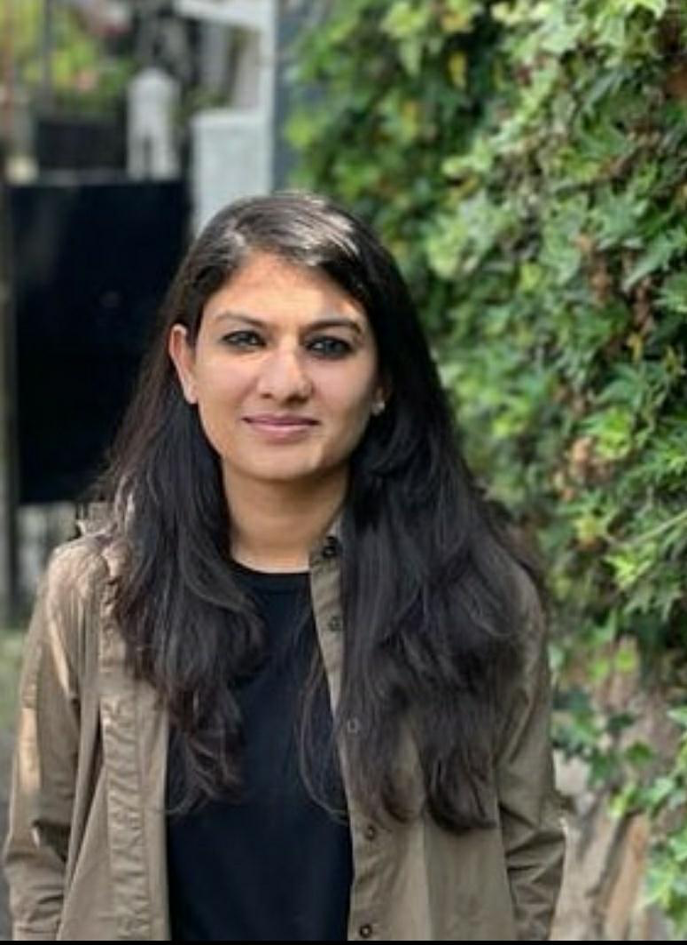
Niti Gupta
Director, Progamme Coordination
Niti manages the Global Alliance's portfolio of programs, overseeing management, fundraising, and execution. In this role, she brings several years of experience as a development economics professional in research, impact assessment, project management, and developing large-scale grant proposals for climate solutions.
Before joining GASP, Niti served as a consultant in India’s largest agroecological initiative program with the Government of Andhra Pradesh. Her work focused on assessing and accelerating sustainable food systems and establishing research evidence for agroecological practices. Niti has also worked on Climate-Smart Agriculture and air pollution issues with the Council on Energy, Environment, and Water, an Indian think tank.
Niti holds a Master’s degree in Development Studies, with a major in Economics of Development, from the International Institute of Social Sciences (ISS), Erasmus University. Her postgraduate thesis was awarded one of the Best Three Research Papers of ISS MA in Development Studies. She also holds an undergraduate honors degree in Economics from Daulat Ram College, Delhi University.
Before joining GASP, Niti served as a consultant in India’s largest agroecological initiative program with the Government of Andhra Pradesh. Her work focused on assessing and accelerating sustainable food systems and establishing research evidence for agroecological practices. Niti has also worked on Climate-Smart Agriculture and air pollution issues with the Council on Energy, Environment, and Water, an Indian think tank.
Niti holds a Master’s degree in Development Studies, with a major in Economics of Development, from the International Institute of Social Sciences (ISS), Erasmus University. Her postgraduate thesis was awarded one of the Best Three Research Papers of ISS MA in Development Studies. She also holds an undergraduate honors degree in Economics from Daulat Ram College, Delhi University.

Pallavi Gupta
Sustainable Finance Advisor
Pallavi Gupta is an ESG consultant with experience evaluating the green bonds market. Her diverse background ranges from banking operations to media marketing of Learning Management Systems. Throughout her career, Ms. Gupta has supported pathbreaking companies, including cleantech firms such as Attero Recycling Private Ltd.
Ms. Gupta holds a Master's degree in Economics and Business Management from Aligarh Muslim University (AMU) in India. Her dissertation looked at sustainable development and environmental governance through market-based instruments. She also holds a Post Graduate Diploma in Environmental Law and Management from Delhi University.
Ms. Gupta seeks to better understand climate impacts from a global perspective and promote sustainable lifestyles within society.
Ms. Gupta holds a Master's degree in Economics and Business Management from Aligarh Muslim University (AMU) in India. Her dissertation looked at sustainable development and environmental governance through market-based instruments. She also holds a Post Graduate Diploma in Environmental Law and Management from Delhi University.
Ms. Gupta seeks to better understand climate impacts from a global perspective and promote sustainable lifestyles within society.
Preeti G. Bishop
Legal Advisor
Preeti G. Bishop is a dual-licensed attorney in India and United States. Ms. Bishop has dedicated 16 years of law practice to social equity, in various contexts. She has represented federal and state governments in India, as well as marginalized populations in India and the United States.
Ms. Bishop holds an L.L.B. (~J.D.) from the University of Delhi Faculty of Law, and an L.L.M., from the University of California - Berkeley, Boalt Hall School of Law. As part of the LawrenceBerkeley National Laboratory’s Institute for Globally Transformative Technologies (LIGTT), she was part of a team involved in the development of solar-powered refrigerated backpacks to help mitigate the last-mile vaccine delivery problem, particularly in developing nations. While at the Institute of Environmental Entrepreneurship in Berkeley, she was part of the team involved in development of the Infrastructure Master Plan for the UC Berkeley Global Campus at Richmond.
Ms. Bishop firmly believes that climate adaptation and resilience-building are irretrievably linked to social equity, globally. She is committed to utilizing her skills and expertise to development of social capital and social justice.
Ms. Bishop holds an L.L.B. (~J.D.) from the University of Delhi Faculty of Law, and an L.L.M., from the University of California - Berkeley, Boalt Hall School of Law. As part of the LawrenceBerkeley National Laboratory’s Institute for Globally Transformative Technologies (LIGTT), she was part of a team involved in the development of solar-powered refrigerated backpacks to help mitigate the last-mile vaccine delivery problem, particularly in developing nations. While at the Institute of Environmental Entrepreneurship in Berkeley, she was part of the team involved in development of the Infrastructure Master Plan for the UC Berkeley Global Campus at Richmond.
Ms. Bishop firmly believes that climate adaptation and resilience-building are irretrievably linked to social equity, globally. She is committed to utilizing her skills and expertise to development of social capital and social justice.

Rajratna Sardar
Natural Resources Analyst
Mr. Rajratna Sardar has completed two Master’s degrees, one at Tufts University in Sustainable Water Management, and one in Habitat Policy & Practice from the Tata Institute of Social Sciences.
Mr. Sardar has over 10 years of experience in international and national projects in the water sector, specifically in water management. He has also been engaged in numerous capacity building programs and water management workshops. HIs areas of interest and expertise include sustainable and equitable water and sanitation, water resources, green infrastructure, urban resilience, and sustainable development.
Prior to joining GASP, Mr. Rajratna Sardar worked as a Municipal Stormwater Management Intern with Massachusetts Department of Environmental Protection (MassDEP) in Boston, MA, United States. Additionally, he worked on water affordability initiatives in New York State with The Water Center, UPenn.
Mr. Sardar has over 10 years of experience in international and national projects in the water sector, specifically in water management. He has also been engaged in numerous capacity building programs and water management workshops. HIs areas of interest and expertise include sustainable and equitable water and sanitation, water resources, green infrastructure, urban resilience, and sustainable development.
Prior to joining GASP, Mr. Rajratna Sardar worked as a Municipal Stormwater Management Intern with Massachusetts Department of Environmental Protection (MassDEP) in Boston, MA, United States. Additionally, he worked on water affordability initiatives in New York State with The Water Center, UPenn.

Sonal Bhalla
Director of Knowledge Services
Sonal Bhalla is a seasoned Project Portfolio Manager, Technology Advisor, Digital Marketing Strategist and Business Continuity Specialist.
Mr. Bhalla is currently the Global Head of Digital at Success Resources, a global entity organizing the world’s largest motivational events. He has worked closely with leading entrepreneurs, financial markets, ecommerce businesses and peak performance executive coaches, including promoting celebrities such as Tony Robbins, Sir Richard Branson, Mary Buffett, Randi Zuckerberg, Chris Gardner, Les Brown and more.
He has previously served with the United Nations, leading information technology teams in diverse and complex operational contexts. Mr. Bhalla has an honours degree in Philosophy and Psychology with advanced Project Management professional qualifications from Stanford University.
Mr. Bhalla is currently the Global Head of Digital at Success Resources, a global entity organizing the world’s largest motivational events. He has worked closely with leading entrepreneurs, financial markets, ecommerce businesses and peak performance executive coaches, including promoting celebrities such as Tony Robbins, Sir Richard Branson, Mary Buffett, Randi Zuckerberg, Chris Gardner, Les Brown and more.
He has previously served with the United Nations, leading information technology teams in diverse and complex operational contexts. Mr. Bhalla has an honours degree in Philosophy and Psychology with advanced Project Management professional qualifications from Stanford University.
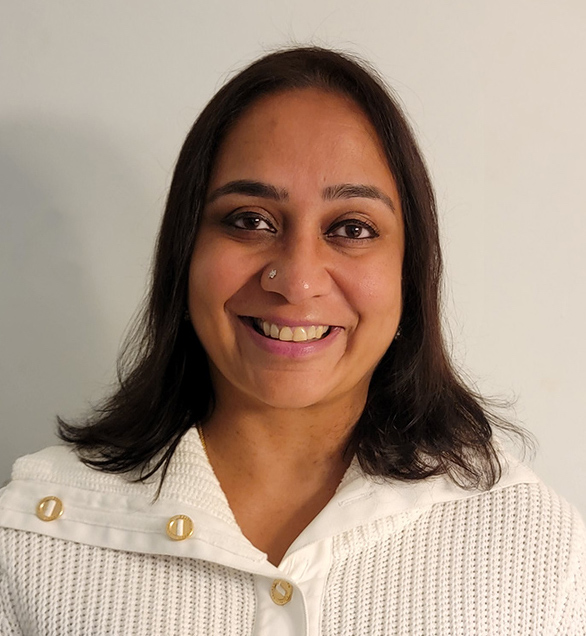
Ujjaini Moulik
Head, Digital Media
Ujjaini Moulik's career in communications spans more than 12 years. She has worked in both nonprofit and for-profit organizations, such as Educational Testing Service (ETS), Brother USA and Verizon, where she served in senior roles overseeing advertising, marketing, brand strategy and copywriting.
Ms. Moulik is passionate about storytelling, engagement, and driving results through multilateral partnerships at the global, national, and local levels. Her core skills include developing digital strategies, social media marketing campaigns, and written content.
Ms. Moulik holds a Bachelor of Arts in English Literature from St. Xavier’s College, Mumbai.
Ms. Moulik is passionate about storytelling, engagement, and driving results through multilateral partnerships at the global, national, and local levels. Her core skills include developing digital strategies, social media marketing campaigns, and written content.
Ms. Moulik holds a Bachelor of Arts in English Literature from St. Xavier’s College, Mumbai.
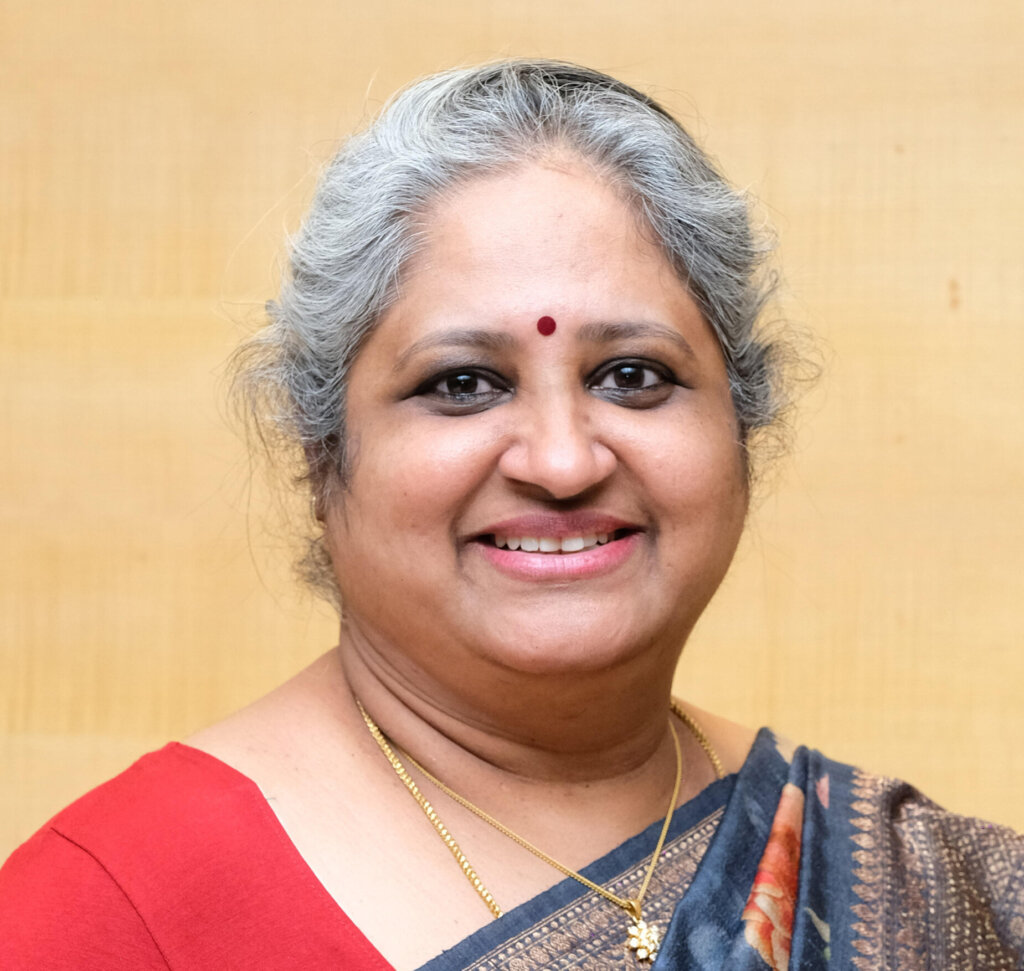
Usharani Kannan
Director of Administration
Usharani Kannan has worked with several civil society organisations in India, Amnesty International, Care Canada, UNFICYP, and the UNSG's Good Offices Mission, in Cyprus. She has travelled, worked and lived in countries across the planet in pursuance of her professional commitments.
An award-winning entrepreneur, Usharani is an empathetic soul, who has led several significant fund-raising campaigns for worthy causes in India, Rwanda, and Malaysia.
Usha has a Master’s degree in Political Science from the University of Madras, India.
An award-winning entrepreneur, Usharani is an empathetic soul, who has led several significant fund-raising campaigns for worthy causes in India, Rwanda, and Malaysia.
Usha has a Master’s degree in Political Science from the University of Madras, India.
Vidhi Sharma
Legal Advisor
Vidhi Sharma is a dual-qualified lawyer (admitted to practice in India and New York) with several years of experience working at leading law firms in India. She has advised private equity funds, investee entities and corporations on a diverse range of cross-border transactions, including in the impact investment/social finance space in India.
Ms. Sharma holds a Bachelor of Laws degree from the University of Delhi and a Master of Laws degree from New York University.
Ms. Sharma holds a Bachelor of Laws degree from the University of Delhi and a Master of Laws degree from New York University.
Yifei (Felix) Zhou
Urban Habitat Specialist
Mr. Yifei (Felix) Zhou has 10 years of experience in consulting, planning, architecture, and analytical work focusing on the sustainable built environment. His work is complemented by broad research on other aspects of sustainable development, including stormwater management, land use planning for agricultural economies, sponge strategies, and green cities. His country experience and research scope include China, India, Georgia, Kyrgyzstan, Uzbekistan, South Africa, Germany, and the United States.
Mr. Yifei Zhou is passionate about integrating policy, financing, and planning instruments into development proposals to guide green investment and related infrastructure development on a global scale to accelerate the net-zero urbanization processes. His most recent research lies in environmental finance, climate-related stress testing, and energy project finance.
Mr. Zhou graduated from Columbia University with a Master's in Urban Planning and wrote his thesis on battery energy storage infrastructure (BESS) deployment in New York State. He received a Bachelor's degree in Architecture and Environmental Design from China Academy of Art.
Mr. Yifei Zhou is passionate about integrating policy, financing, and planning instruments into development proposals to guide green investment and related infrastructure development on a global scale to accelerate the net-zero urbanization processes. His most recent research lies in environmental finance, climate-related stress testing, and energy project finance.
Mr. Zhou graduated from Columbia University with a Master's in Urban Planning and wrote his thesis on battery energy storage infrastructure (BESS) deployment in New York State. He received a Bachelor's degree in Architecture and Environmental Design from China Academy of Art.
Poornima P
Head of Special Projects
Poornima has served in the Indian Forest Service since 2014. She has managed and conserved 200,000 hectares of Odisha's invaluable forests & wildlife. Her expertise revolves around conservation, afforestation, reforestation, soil and moisture conservation, enforcement against illicit felling and smuggling, human-wildlife conflict management, joint forest management with forest-fringe villages, sustainable timber harvests, and forest-fire mitigation.
She also has a masters in environmental science and policy from Columbia University, with specialization in sustainable finance, ESG investing, and sustainability reporting. Having worked as Graduate Consultant for Energy Peace Partners, she has assessed emissionality for renewable energy projects installed in Africa, including estimation of avoided emissions from displacement of household fossil fuel consumption.
At Global Alliance for a Sustainable Planet, her contribution centers on expanding the GREAT (Green Economy Accelerator for a Just Transition) initiative, with a specific focus on agroforestry, soil and moisture conservation, enteric methane reduction, and mangrove conservation.
She also has a masters in environmental science and policy from Columbia University, with specialization in sustainable finance, ESG investing, and sustainability reporting. Having worked as Graduate Consultant for Energy Peace Partners, she has assessed emissionality for renewable energy projects installed in Africa, including estimation of avoided emissions from displacement of household fossil fuel consumption.
At Global Alliance for a Sustainable Planet, her contribution centers on expanding the GREAT (Green Economy Accelerator for a Just Transition) initiative, with a specific focus on agroforestry, soil and moisture conservation, enteric methane reduction, and mangrove conservation.
Momina Huma
Research Officer-Agrifood Systems
Momina Huma is a sustainability researcher and climate professional with a background in climate science, policy, and environmental governance. She holds an MSc in Global Sustainability Solutions from the University of Exeter, where she was a Green Futures Scholar. Her work focuses on climate policy, sustainable agriculture, and systems approaches to climate transitions, with particular interest in climate tipping points and transformative change. Momina has worked with international institutions including the World Meteorological Organization (WMO), Geneva, and the Global Systems Institute (GSI) at the
University of Exeter. She has experience engaging with local stakeholders and communities in Pakistan, supporting climate knowledge sharing and strengthening the link between scientific research and practical decision-making. Her research has explored positive tipping points in agricultural systems using systems thinking approaches to identify pathways for sustainable transformation.
Momina is passionate about advancing climate solutions and fostering stronger collaboration between science, policy, and communities.
University of Exeter. She has experience engaging with local stakeholders and communities in Pakistan, supporting climate knowledge sharing and strengthening the link between scientific research and practical decision-making. Her research has explored positive tipping points in agricultural systems using systems thinking approaches to identify pathways for sustainable transformation.
Momina is passionate about advancing climate solutions and fostering stronger collaboration between science, policy, and communities.

Keshav Nair
Data Analytics Coordinator
Keshav Nair is a data analyst who completed his BSc in Economics at Michigan State University, where he also minored in Computer Science and Quantitative Data Analytics. His experience spans both research and industry roles, including economic impact analysis, ESG reporting evaluation, and large-scale data engineering. Keshav has contributed to academic projects at Michigan State University and the Indian Institute of Management, supporting studies that analyze household-level data, assess sustainability disclosures, and develop reproducible analytical workflows.
In his current role as a Data Analyst at LiveMindz, he builds interactive dashboards, conducts operational analytics, and transforms complex datasets into clear, actionable insights. As a volunteer Data Analytics Coordinator, Keshav is eager to support research and apply data-driven methods to advance GASP’s sustainability initiatives, promote transparency, and contribute to meaningful social and environmental impact.
In his current role as a Data Analyst at LiveMindz, he builds interactive dashboards, conducts operational analytics, and transforms complex datasets into clear, actionable insights. As a volunteer Data Analytics Coordinator, Keshav is eager to support research and apply data-driven methods to advance GASP’s sustainability initiatives, promote transparency, and contribute to meaningful social and environmental impact.
India Programme
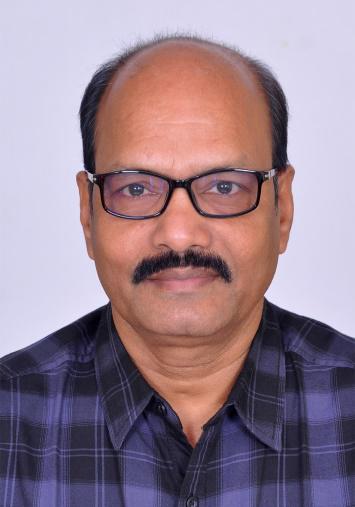
Bhaskar Chandra Adhikari
Director, India Programme
Bhaskar Chandra Adhikari has over 30 years of experience working with several grassroots organizations, including international NGOs, rural communities and women’s farmer groups in India.
In his previous role, Mr. Adhikari led Farmer Producer Organizations (FPO) under the Sustainable Agriculture and Diversified Livelihoods (SADL) program at Accion Fraterna Ecology Centre (AFEC). He also oversaw research and the implementation of projects at the M.S. Swaminathan Research Foundation (MSSRF) and Chetna Organic Farmers Association. Projects he led in Agroecological Development and Water Conservation and Development were recognized with National Awards from the Government of India.
Mr. Adhikari holds a Master’s degree in Sociology from Andhra University in Visakhapatnam and a Bachelor of Laws degree from Berhampur University in Odisha.
In his previous role, Mr. Adhikari led Farmer Producer Organizations (FPO) under the Sustainable Agriculture and Diversified Livelihoods (SADL) program at Accion Fraterna Ecology Centre (AFEC). He also oversaw research and the implementation of projects at the M.S. Swaminathan Research Foundation (MSSRF) and Chetna Organic Farmers Association. Projects he led in Agroecological Development and Water Conservation and Development were recognized with National Awards from the Government of India.
Mr. Adhikari holds a Master’s degree in Sociology from Andhra University in Visakhapatnam and a Bachelor of Laws degree from Berhampur University in Odisha.
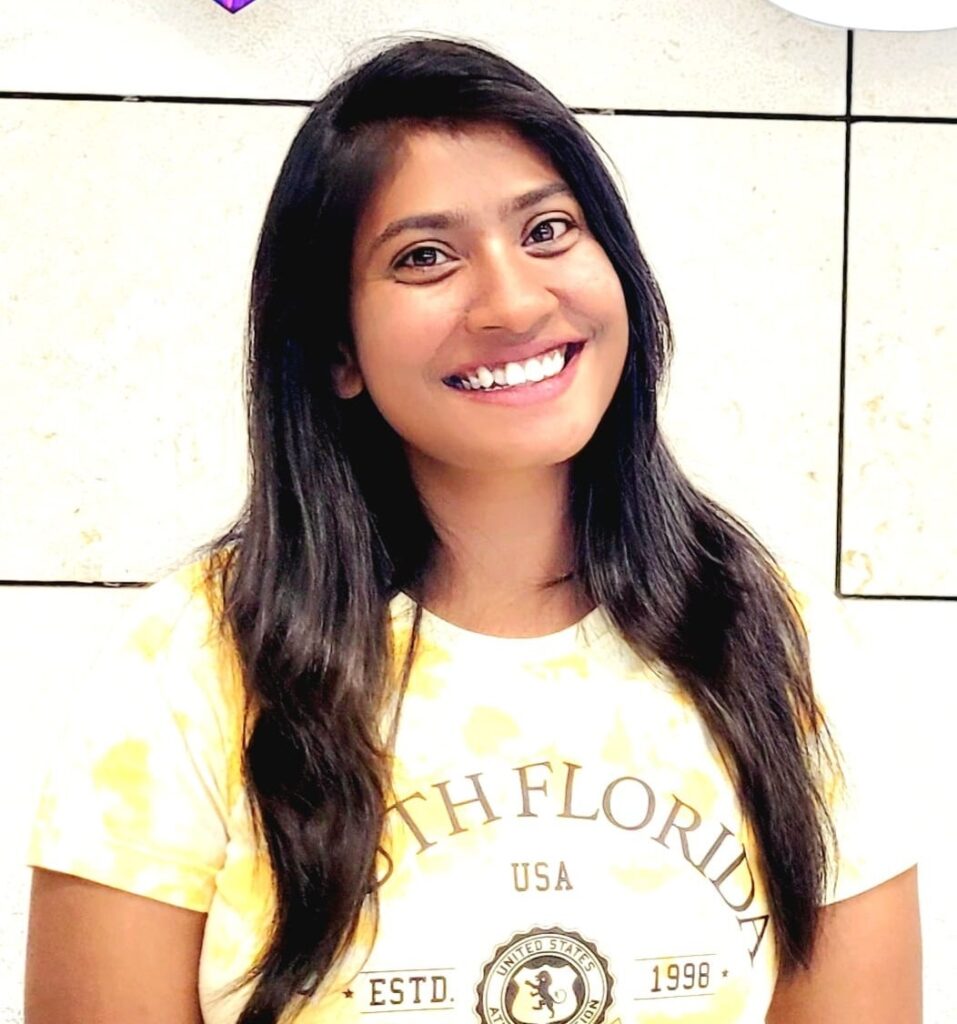
Basigeri Pavithra
SIFF-RySS Fellow
Basigeri Pavithra is a researcher in biogeochemistry and sustainable agriculture, with a strong focus on dryland systems. Pavithra holds a Master’s in Desert Studies (Irrigation and Plant Environment) from Ben-Gurion University of the Negev, Israel, and a B.Sc. (Hons) in Agriculture from Rai Technology University, Bangalore. Pavithra's research focused on greenhouse gas emissions, particularly investigating how drought and rewetting cycles influence nitrous oxide (N₂O) and nitric oxide (NO) emissions across different soil textures in dryland agricultural systems. She presented her work at the Student Conference on Sustainability and Environmental Innovation in Israel.
Pavithra is particularly passionate about natural farming, aiming to promote soil health and sustainable practices through research. She is proficient in the static chamber methodology for in-situ measurement of soil gas fluxes (including N₂O, NO, CH₄, H₂O, and CO₂) using gas analyzers, inorganic analysis of nitrate and ammonium using spectrophotometry, along with
strong abilities in scientific communication and research dissemination.
Pavithra is particularly passionate about natural farming, aiming to promote soil health and sustainable practices through research. She is proficient in the static chamber methodology for in-situ measurement of soil gas fluxes (including N₂O, NO, CH₄, H₂O, and CO₂) using gas analyzers, inorganic analysis of nitrate and ammonium using spectrophotometry, along with
strong abilities in scientific communication and research dissemination.

Havila Reddy Kolli
SIFF-RySS Fellow
Havila is a passionate development professional committed to fostering sustainable rural transformation in India. She holds a Bachelors degree in Philosophy from Miranda House, University of Delhi, and a Masters in Rural Development and Governance from the Tata Institute of Social Sciences, Hyderabad.
Havila brings hands-on experience working with farming communities across Andhra Pradesh and Telangana through a range of internships and field engagements. Her professional experience also spans campaign strategy execution, stakeholder management, and promoting gender inclusivity in development initiatives.
She has also conducted in-depth research on the livelihoods of Kondapalli toy makers, proposing sustainable models to support and revive this traditional craft. Her interdisciplinary background, blending philosophy, rural development and governance, and grassroots practice, informs her vision of strengthening rural livelihoods and empowering communities through inclusive and socio-economic sustainable approaches.
Havila brings hands-on experience working with farming communities across Andhra Pradesh and Telangana through a range of internships and field engagements. Her professional experience also spans campaign strategy execution, stakeholder management, and promoting gender inclusivity in development initiatives.
She has also conducted in-depth research on the livelihoods of Kondapalli toy makers, proposing sustainable models to support and revive this traditional craft. Her interdisciplinary background, blending philosophy, rural development and governance, and grassroots practice, informs her vision of strengthening rural livelihoods and empowering communities through inclusive and socio-economic sustainable approaches.
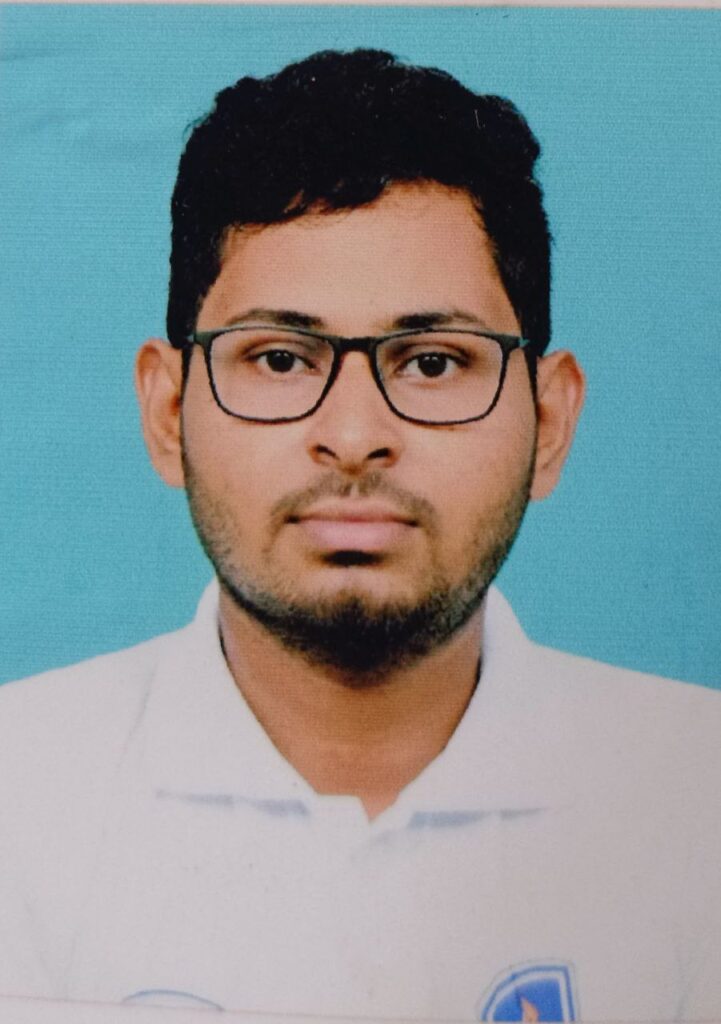
Joydeep Samanta
SIFF-RySS Fellow
Joydeep Samanta is a postgraduate researcher in Genetics and Plant Breeding, with a passion for advancing climate-resilient agriculture and sustainable development. He has completed his Master's degree from the Sam Higginbottom University of Agriculture, Technology & and Sciences (SHUATS), as well as holding a Bachelor's degree in Agriculture from The Neotia
University. His research in Master’s focuses on heterosis and combining ability analysis in bread wheat, aiming to improve quantitative traits that contribute to crop resilience and productivity.
Joydeep’s academic journey reflects a strong commitment to sustainable agriculture, with a particular interest in integrating plant breeding techniques with natural farming principles. His work emphasizes the development of varieties that require fewer external inputs while maintaining soil health and biodiversity. Apart from that, he has also participated in significant scientific forums, including the 5th International Group Meeting on Climate-Proofing Cereal Agriculture, where he presented his research on genetic potential in wheat under the theme of cereal improvement through conventional and molecular approaches. His contributions extend to national-level events promoting climate adaptation and sustainable farming strategies.
Proficient in statistical tools such as R and SPSS, and trained in climate resilience strategies, Joydeep combines analytical skills with a systems-based understanding of agroecology. His growing expertise lies at the intersection of crop improvement, environmental sustainability, and long-term food security.
University. His research in Master’s focuses on heterosis and combining ability analysis in bread wheat, aiming to improve quantitative traits that contribute to crop resilience and productivity.
Joydeep’s academic journey reflects a strong commitment to sustainable agriculture, with a particular interest in integrating plant breeding techniques with natural farming principles. His work emphasizes the development of varieties that require fewer external inputs while maintaining soil health and biodiversity. Apart from that, he has also participated in significant scientific forums, including the 5th International Group Meeting on Climate-Proofing Cereal Agriculture, where he presented his research on genetic potential in wheat under the theme of cereal improvement through conventional and molecular approaches. His contributions extend to national-level events promoting climate adaptation and sustainable farming strategies.
Proficient in statistical tools such as R and SPSS, and trained in climate resilience strategies, Joydeep combines analytical skills with a systems-based understanding of agroecology. His growing expertise lies at the intersection of crop improvement, environmental sustainability, and long-term food security.
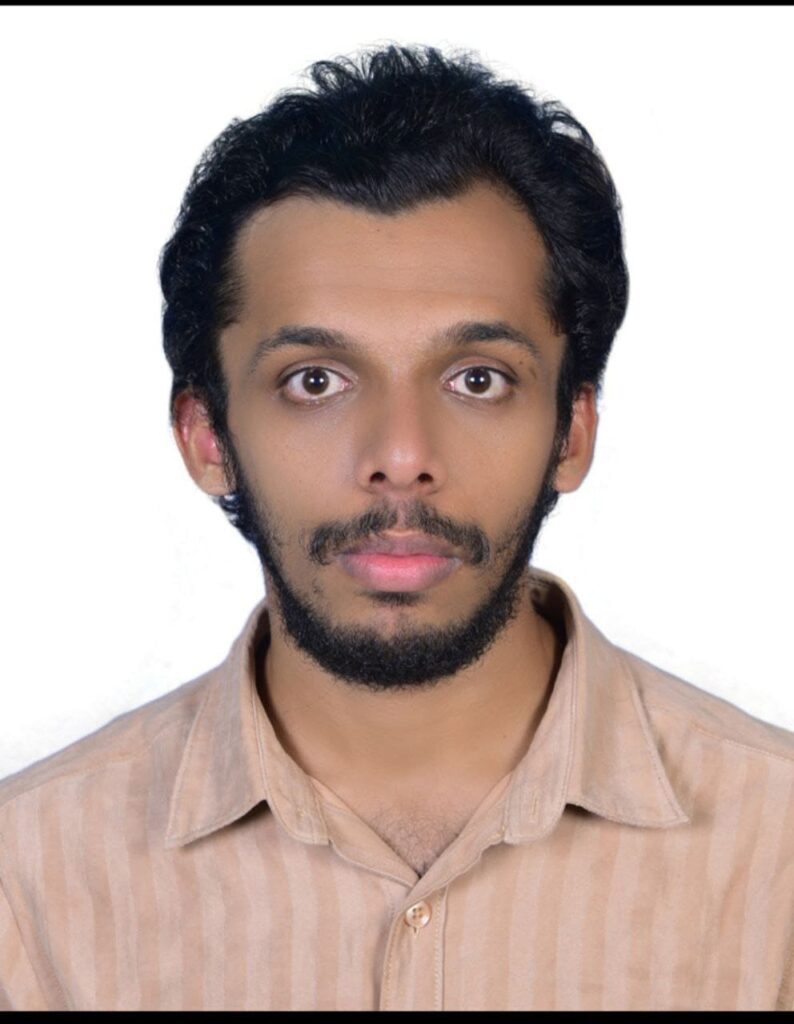
Muhammed Ziyadh
SIFF-RySS Fellow
Muhammed Ziyadh has a postgraduate in Geography from the Central University of Tamil Nadu, specializing in Geographic Information Systems (GIS). His academic and research interests focus on spatial data analysis, environmental monitoring and time series analysis study. His master’s dissertation explored Integrated Assessment of Land Use/Land Cover Change and Ecological Impacts on Vellayani Lake: A Time Series Analysis Approach, emphasizing spatio-temporal change detection using satellite data.
He is passionate about applying geospatial technologies to address environmental challenges, particularly in Land use and land cover change detection, disaster management studies and sustainable natural resource studies. He aspires to contribute to the field of environmental GIS through research and practical applications that support data-driven decision-making to natural
resource and climate resilience.
He is passionate about applying geospatial technologies to address environmental challenges, particularly in Land use and land cover change detection, disaster management studies and sustainable natural resource studies. He aspires to contribute to the field of environmental GIS through research and practical applications that support data-driven decision-making to natural
resource and climate resilience.

Sai Umesh Chennu
SIFF-RySS Fellow
Sai Umesh Chennu is a plant geneticist with deep expertise in crop breeding and climate-resilient agriculture. He holds an MSc in Plant Genetics and Crop Improvement from the University of East Anglia, UK, and brings hands-on research experience from globally reputed institutions including Syngenta (UK), the John Innes Centre and ICRAF. His work spans disease resistance breeding, hybrid wheat trials, molecular genotyping, gene expression analysis and CRISPR-based studies. With a strong foundation in both filed and lab-based breeding approaches, he is committed to advancing sustainable, low-input crop improvement strategies.
As a SIFF Research Fellow, he is focused on developing breeding frameworks tailored to natural farming systems and enhancing the climate resilience of major food crops in Andhra Pradesh.
As a SIFF Research Fellow, he is focused on developing breeding frameworks tailored to natural farming systems and enhancing the climate resilience of major food crops in Andhra Pradesh.
Tammineni Naga Jyothi
SIFF-RySS Fellow
Tammineni Naga Jyothi is an emerging agricultural professional passionate about strengthening sustainable plant health management and resilient farming systems in India. With a strong foundation in Plant Pathology, she is dedicated to laboratory-based research and integrating scientific innovation to ensure crop productivity and environmental balance. She has a Masyers degree in Agriculture Plant Pathology from Dr. Panjabrao Deshmukh Krishi Vidyapeeth, Akola, Maharashtra, and a B.Sc. (Hons) in Horticulture from Dr. YSR Horticultural University, Venkatramannagudem, Andhra Pradesh.
Her academic and research experiences have nurtured a deep interest in plant pathogen interactions, eco-friendly disease management, and integrated pest and disease management (IPDM) approaches. She has also developed working knowledge of CRISPR- Cas9 technology, mushroom cultivation, and organic farming practices, reflecting her broad engagement with both modern and sustainable agricultural innovations. As a SIFF Research Fellow, Naga Jyothi aims to contribute to innovative and evidence-based plant protection solutions that reduce chemical dependency, enhance crop resilience, and promote long-term ecological and economic sustainability in Indian agriculture.
Her academic and research experiences have nurtured a deep interest in plant pathogen interactions, eco-friendly disease management, and integrated pest and disease management (IPDM) approaches. She has also developed working knowledge of CRISPR- Cas9 technology, mushroom cultivation, and organic farming practices, reflecting her broad engagement with both modern and sustainable agricultural innovations. As a SIFF Research Fellow, Naga Jyothi aims to contribute to innovative and evidence-based plant protection solutions that reduce chemical dependency, enhance crop resilience, and promote long-term ecological and economic sustainability in Indian agriculture.
Polagani Lohitha
SIFF-RySS Fellow
Polagani Lohitha holds an MSc in Horticulture (Vegetable Science) from Tamil Nadu Agricultural University, Coimbatore, where her thesis compared protected and open-field cultivation. Drawing on that experience, she works on evidence-based natural farming practices that protect soil health, encourage biodiversity and keep production practical for farmers. Her interests include water-smart cultivation, nutrient-dense vegetables and low-input methods that reduce chemical dependence while maintaining quality and yield.
Having recently joined SIFF, she is focused on turning research into actions that work on real farms. Her goal is to deliver scalable, easy-to-adopt solutions that restore soils, conserve resources, and improve consumer health. Along the way, she contributes to training, field demonstrations and simple monitoring tools that help farmers track progress aiming to support the environment, strengthen communities and make a clear, positive difference for both farmers and consumers.
Having recently joined SIFF, she is focused on turning research into actions that work on real farms. Her goal is to deliver scalable, easy-to-adopt solutions that restore soils, conserve resources, and improve consumer health. Along the way, she contributes to training, field demonstrations and simple monitoring tools that help farmers track progress aiming to support the environment, strengthen communities and make a clear, positive difference for both farmers and consumers.
Rejeti Krishna Keyur
SIFF-RySS Fellow
Rejeti Krishna Keyur has a postgraduate degree in Journalism and Mass Communication. He is inclined towards Development Communication and Media Research. Guided by the belief that communication is a transformative force capable of driving positive social change, Krishna explores how narratives, messaging, and media influence human behavior and shape socio-cultural conditioning. During his postgraduate studies, Krishna co-authored a research paper to investigate and understand the role of mass media in promoting a scientific temper among university students. This paper has been published under the title ‘The Role of Mass Media in Enhancing Scientific Temper among
University Students’ in the April Issue of a Web of Science-indexed journal, ‘Indian Journal of Natural Sciences’.
During the process of writing this paper, He encountered and understood the impact of media and mass communication, in a socio-cultural setup, in shaping opinions on topics that are deeply rooted in the name of cultural conditioning among the young. He further explored areas like digital literacy, digital divide, and learners' motivation in the digitalized societies. With a strong academic foundation and a reflective understanding of moral conditioning, culture, and societal behavior. Their broader ideology stems from the conviction that effective communication is not just about disseminating information, but also about creating meaning, empathy, and understanding within diverse societies.
University Students’ in the April Issue of a Web of Science-indexed journal, ‘Indian Journal of Natural Sciences’.
During the process of writing this paper, He encountered and understood the impact of media and mass communication, in a socio-cultural setup, in shaping opinions on topics that are deeply rooted in the name of cultural conditioning among the young. He further explored areas like digital literacy, digital divide, and learners' motivation in the digitalized societies. With a strong academic foundation and a reflective understanding of moral conditioning, culture, and societal behavior. Their broader ideology stems from the conviction that effective communication is not just about disseminating information, but also about creating meaning, empathy, and understanding within diverse societies.
Dr. Thandra Rakesh
SIFF-RySS Fellow
Dr. Thandra Rakesh obtained his Ph.D. in Agricultural Entomology, specializing in Host Plant Resistance, Molecular Entomology, and Integrated Pest Management (IPM). His research is centered on advancing sustainable pest management practices by integrating host plant resistance with molecular and ecological approaches to minimize crop losses and reduce chemical pesticide dependence. He has gained substantial research experience in chilli and rice production systems, with a major emphasis on screening and characterizing genotypes for resistance to insect pests. In chilli, his investigations on thrips resistance encompassed species incidence studies, morphological and molecular characterization, field and glasshouse evaluations, and detailed biophysical and biochemical analyses, supported by metabolomic profiling to unravel the mechanisms of resistance. In rice, he has contributed to the evaluation of genotypes for pest resistance across varying agro-ecological environments, identifying promising and stable resistance sources. His multidisciplinary approach combines molecular, biochemical, and ecological tools to understand plant–insect interactions and facilitate the development of pest-resistant cultivars. Dr. Rakesh is passionate about transforming research insights into practical IPM solutions, integrating resistant varieties with biological and cultural control strategies for sustainable crop protection. His ongoing research interests include exploring novel resistance genes, functional analysis of defense pathways, and applying omics-based tools to strengthen crop improvement programs for enhanced pest resilience and productivity.
T. Asha
SIFF-RySS Fellow
T. Asha is a passionate agronomist dedicated to promoting sustainable, field-based and resilient farming systems. She holds an M.Sc. in Agriculture (Agronomy) and a B.Sc. (Hons) in Agriculture. With hands-on research and field experience as a Senior Research Fellow at Acharya N. G. Ranga Agricultural University, Asha has worked closely with farmers, researchers and extension teams to develop and promote eco-friendly agronomic practices. Her professional journey reflects a strong focus on soil health management, sustainable crop production and the practical application of scientific knowledge to real-world farming systems. Her core research interests include organic and natural farming, soil fertility, crop nutrition and precision agronomy. She has published two research papers and one review article, showcasing her commitment to improving crop productivity while maintaining environmental balance. As a SIFF Research Fellow, Asha aims to drive impactful innovations in natural farming by integrating research, field experience and farmer empowerment to build a more sustainable and resilient agricultural future.
Anjana Mohan
SIFF-RySS Fellow
Anjana Mohan is an urban planning professional with an MSc in Geography from the Central University of Tamil Nadu and an M.Tech in Urban and Regional Planning from the University of Mysore. This combination has enabled her to develop a multidisciplinary perspective, blending spatial analysis with planning approaches to better interpret the interactions between environmental systems and land-use patterns. She has interned at the Office of the Joint Director, LSGD Planning, Palakkad, Kerala, where she contributed to the development of the Alathur Gram Panchayat Master Plan, and at the Kerala Forest Research Institute (KFRI), Peechi, Thrissur, where she worked on the “Inventory and Mapping of Mangroves.” These experiences strengthened her understanding of both grassroots planning and ecological assessment, while enhancing her ability to apply geospatial tools in diverse real-world contexts.
With a keen interest in agro-ecological planning and natural resource management, she aims to integrate modern technological tools with traditional agricultural wisdom to support inclusive and environmentally responsible development.
With a keen interest in agro-ecological planning and natural resource management, she aims to integrate modern technological tools with traditional agricultural wisdom to support inclusive and environmentally responsible development.
AR Ramya
SIFF-RySS Fellow
Ramya is a passionate researcher with a Masters and doctoral background in Agricultural entomology from Tamil Nadu. Her expertise is on improving crop productivity through science-based innovations, host plant resistance, aiming to develop crops resilient to pest pressures. She also explored chemical ecology to decode insect–plant interactions and behavioral responses. She has a strong foundation in biological control, promoting eco-friendly alternatives to chemical pesticides, integrating principles of Integrated Pest Management for sustainable and economically viable agriculture. Her current area of interest centers on evaluating the ecological and socio-economic impacts of pesticide residues arising from conventional farming practices, particularly their effects on farming communities, water bodies, and surrounding ecosystems. She is equally interested in understanding the role of natural farming systems in enhancing nutritional security and improving the well-being of farming community.
Additionally, she wanted to explore the global acceptance and market potential of natural farming produce, with special emphasis on certification standards and export opportunities. Through this interdisciplinary approach, she aims to generate evidence-based insights that support sustainable agricultural approaches.
Additionally, she wanted to explore the global acceptance and market potential of natural farming produce, with special emphasis on certification standards and export opportunities. Through this interdisciplinary approach, she aims to generate evidence-based insights that support sustainable agricultural approaches.
Papanaboyina Archana
SIFF-RySS Fellow
Papanaboyina Archana is a Plant breeding researcher with a strong focus on developing climate-resilient varieties and farmer-friendly crop varieties. She holds a Masters degree in Genetics and Plant Breeding from Tamil Nadu Agricultural University (TNAU), Coimbatore. Her postgraduate research focused on improving rice for drought and salinity tolerance using marker-assisted backcross breeding. She worked on introgressing key QTLs (qDTY1.1,qDTY2.1, and Saltol) for drought and salinity. She also conducted extensive screening of rice landraces using PEG-based drought assays and hydroponic salinity systems, identifying promising donor genotypes for stress-tolerance breeding. She possesses hands-on expertise in techniques such as DNA extraction, PCR, gel electrophoresis, and SSR genotyping. She is also experienced in stress phenotyping and genetic diversity analysis.
Her long-term goal is to integrate breeding programs with sustainable practices. She aims to develop resilient varieties that improve farmer livelihoods and protect the environment. She has a strong interest in natural farming and is passionate about contributing to sustainable agricultural systems.
Her long-term goal is to integrate breeding programs with sustainable practices. She aims to develop resilient varieties that improve farmer livelihoods and protect the environment. She has a strong interest in natural farming and is passionate about contributing to sustainable agricultural systems.

Harkishan Surjeeth Kumar
SIFF-RySS Fellow
Harkishan Surjeeth Kumar is a postgraduate researcher in Plant Biology, specialising in Sustainable Crop Production. His work sits at the intersection of plant immunity, crop ecology, and natural farming. He holds a Masters degree in Abiotic and Biotic Interactions of Cultivated Crops from the Swedish University of Agricultural Sciences (SLU), Uppsala, Sweden, and a Bachelors degree in Agricultural Sciences from Hemwati Nandan Bahuguna Garhwal University, Srinagar, India. His thesis investigated neighbour-modulated immunity in wheat against Fusarium sp. — asking a deceptively simple question: can the right mix of genotypes do what chemicals currently do?
Hands-on experience in organic paddy cultivation deepened his understanding of how management decisions shape yield stability, transforming his interest in natural farming from academic curiosity into a full research commitment. He aspires to build crop production systems that are ecologically grounded, low-input, and built to last— for both the soil and the farmer.
Hands-on experience in organic paddy cultivation deepened his understanding of how management decisions shape yield stability, transforming his interest in natural farming from academic curiosity into a full research commitment. He aspires to build crop production systems that are ecologically grounded, low-input, and built to last— for both the soil and the farmer.

Dr. Ujji Pushpa Latha
SIFF-RySS Fellow
Dr. Ujji Pushpa Latha is a forest carbon researcher specializing in biomass accumulation and carbon sequestration in forest ecosystems. She holds a Ph.D. in Forest Resource Management from SHUATS, Prayagraj, an M.Sc. in Forestry (Natural Resource
Management) from SHUATS, and a B.Sc. (Hons.) Agriculture from Rai Technology University, Bangalore. Her doctoral research focused on assessing the carbon sequestration potential of forest vegetation across Eluru District, Andhra Pradesh, integrating systematic field sampling with remote sensing and GIS techniques. Her work covered tree biomass, non-tree carbon pools, litter, herbaceous vegetation, and soil organic carbon, contributing to a holistic understanding of forest carbon dynamics under international frameworks like IPCC Tier 2, REDD+, and Verra standards.
Dr. Latha's broader research interests encompass forest carbon finance, climate change mitigation, ecosystem services, and sustainable natural resource management.
Management) from SHUATS, and a B.Sc. (Hons.) Agriculture from Rai Technology University, Bangalore. Her doctoral research focused on assessing the carbon sequestration potential of forest vegetation across Eluru District, Andhra Pradesh, integrating systematic field sampling with remote sensing and GIS techniques. Her work covered tree biomass, non-tree carbon pools, litter, herbaceous vegetation, and soil organic carbon, contributing to a holistic understanding of forest carbon dynamics under international frameworks like IPCC Tier 2, REDD+, and Verra standards.
Dr. Latha's broader research interests encompass forest carbon finance, climate change mitigation, ecosystem services, and sustainable natural resource management.
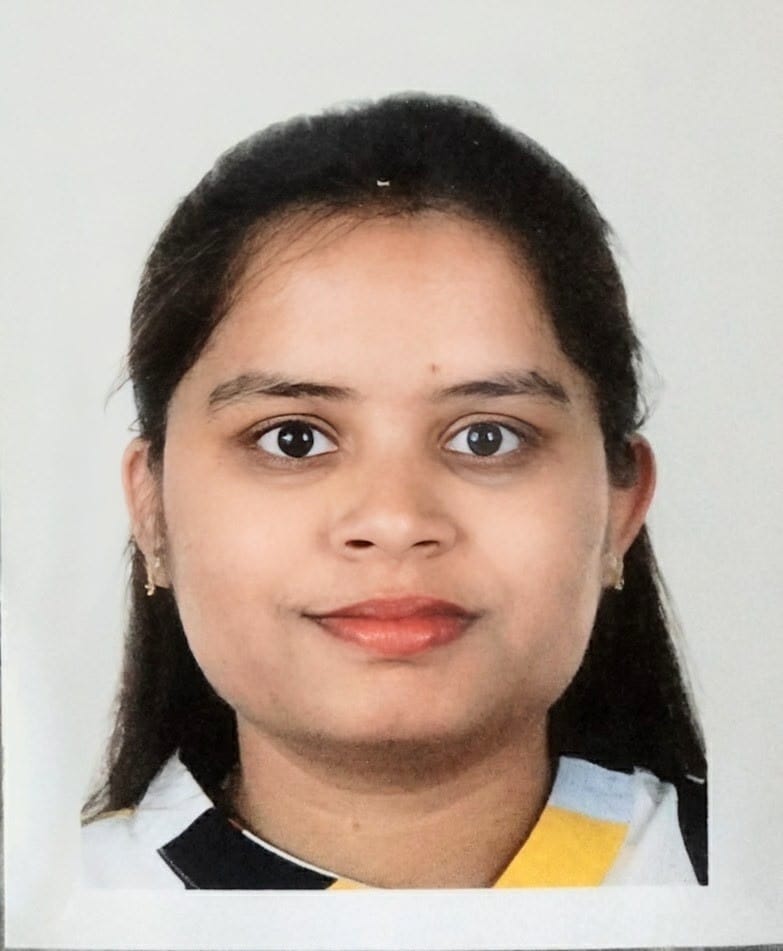
Sony Guvvala
SIFF-RySS Fellow
Sony Guvvala holds a degree in Crop Sciences, with a specialisation in Plant Breeding and Seed Technology, from the University of Hohenheim in Germany. In her masters thesis, she evaluated wheat and barley seed viability using delayed luminescence as a non-destructive method. In addition to this, she worked as a research assistant at institutions in India, such as SRTC and ARI, where she received practical skills in seed testing, nursery management, and field operations.
With a strong foundation in seed technology, genetics, and statistical analysis, she is deeply committed to improving seed quality and supporting sustainable farming practices. As a SIFF Research Fellow, she is highly interested in Pre-Monsoon Dry Sowing (PMDS) as a sustainable natural farming approach to optimise water use and strengthen crop resilience in changing climate conditions.
With a strong foundation in seed technology, genetics, and statistical analysis, she is deeply committed to improving seed quality and supporting sustainable farming practices. As a SIFF Research Fellow, she is highly interested in Pre-Monsoon Dry Sowing (PMDS) as a sustainable natural farming approach to optimise water use and strengthen crop resilience in changing climate conditions.
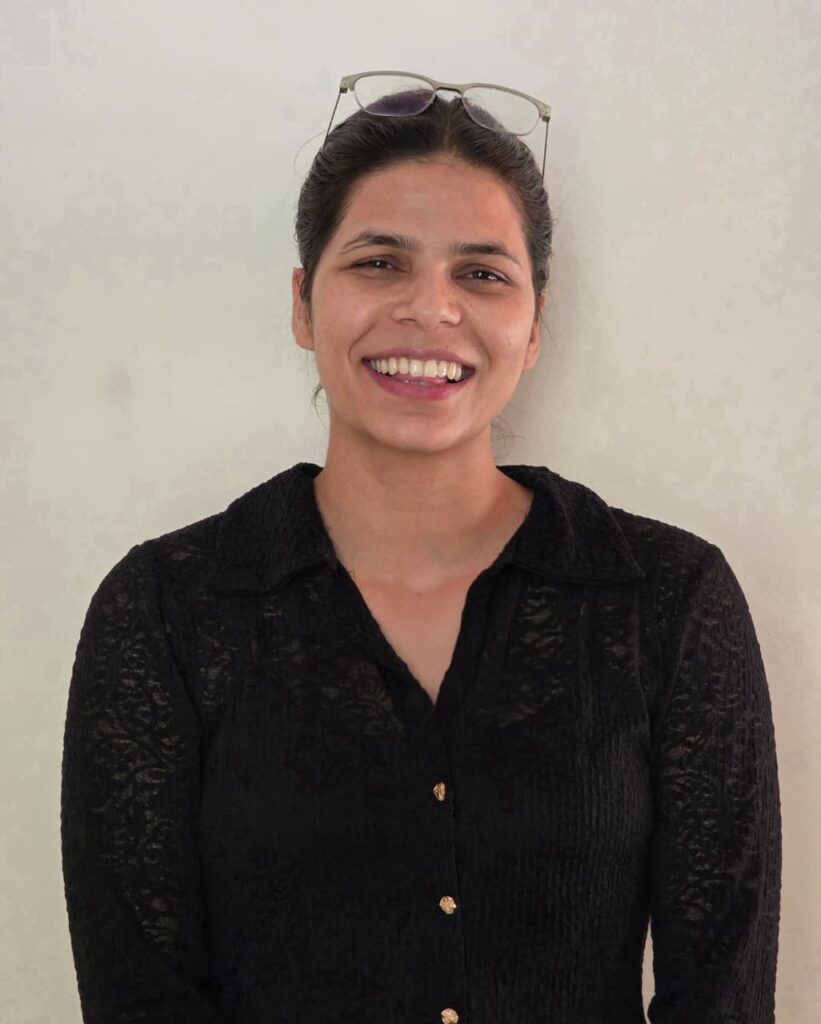
Rashi Nautiyal
SIFF-RySS Fellow
Rashi Nautiyal is an interdisciplinary environmental researcher working at the intersection of biotechnology, landscape-scale conservation, and community-driven sustainability. She holds a 5-year Integrated Master’s degree in Biotechnology from Hemwati Nandan Bahuguna Garhwal Central University, India and has contributed to the development of the 10-year Integrated Management Plan for Asola Bhatti Wildlife Sanctuary in Delhi. Here, she worked across ecological and social dimensions, integrating biodiversity assessments with community and landscape-level planning.
Her work combines technical expertise with on-ground experience, using GIS for spatial analysis and STATA for statistical modeling and policy insights. Her research and professional interests focus on addressing environmental policy gaps with a commitment to translating scientific research into scalable solutions.
Her work combines technical expertise with on-ground experience, using GIS for spatial analysis and STATA for statistical modeling and policy insights. Her research and professional interests focus on addressing environmental policy gaps with a commitment to translating scientific research into scalable solutions.
Interns

Anwulika Emmanuella Mordi
Intern
Anwulika Emmanuella Mordi is a Mastercard Foundation Scholar currently pursuing a Master of International Forestry at the University of British Columbia. Her work focuses on sustainable agriculture, forest conservation, and community resilience, drawing on hands-on experience in a reforestation project in Ashnola, Canada; hydroponics innovation in Rwanda; and clean-water and sustainable agriculture initiatives in Nigeria.
With academic training in environmental policy and sustainable development, she is building expertise in forestry, community engagement, and sustainable land management to empower Nigerian women and advance impactful, nature-based solutions for her country and beyond. During her internship with GASP, she is excited to contribute to research on regenerative agroforestry and sustainable finance while learning how global partnerships translate bold ideas into scalable impact.
With academic training in environmental policy and sustainable development, she is building expertise in forestry, community engagement, and sustainable land management to empower Nigerian women and advance impactful, nature-based solutions for her country and beyond. During her internship with GASP, she is excited to contribute to research on regenerative agroforestry and sustainable finance while learning how global partnerships translate bold ideas into scalable impact.
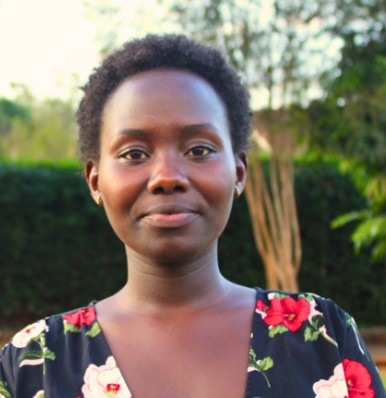
Caroline Kemei
Intern
Caroline Kemei is a governance and civic education practitioner and the founder of the Ustawi Girls Initiative, where she works to advance inclusive development, gender equity, and community resilience. Her work focuses on supporting girls, teenage mothers, and persons with disabilities through education, leadership development, and empowerment
programs, reaching over 1,000 beneficiaries in Nairobi.
With an academic background in Ecotourism Management and Environmental Impact Assessment, and currently pursuing a Master’s in Project Management, Caroline brings a strong foundation in sustainability, impact assessment, and project delivery. She has experience in research, monitoring and evaluation, reporting, and program coordination, and is passionate about ensuring that development, climate action, and policy processes are inclusive, evidence-based, and community-centred.
programs, reaching over 1,000 beneficiaries in Nairobi.
With an academic background in Ecotourism Management and Environmental Impact Assessment, and currently pursuing a Master’s in Project Management, Caroline brings a strong foundation in sustainability, impact assessment, and project delivery. She has experience in research, monitoring and evaluation, reporting, and program coordination, and is passionate about ensuring that development, climate action, and policy processes are inclusive, evidence-based, and community-centred.

Elisalome Oyefusi
Intern
Elisalome Oyefusi is an early-career Energy Systems Engineer with a strong interest in sustainable development, energy transition, and evidence-based climate policy. She is currently an Erasmus Mundus master’s student in Energy Systems and Energy Policy at KTH Royal Institute of Technology and Université de Lorraine, where she has developed a solid analytical foundation in energy systems analysis, decarbonization strategies, and technology transition pathways within international and multidisciplinary settings. Alongside her academic training, Elisalome engages actively in energy and sustainability discourse as the host of The Energy Room Podcast, facilitating conversations with students, researchers, and practitioners on clean energy, innovation, and inclusive development. This experience has strengthened her ability to communicate complex technical and policy issues to diverse audiences and stakeholders.
With experience in policy and system-level analysis, research synthesis, and project coordination across academic and applied energy initiatives, Elisalome is motivated to contribute her analytical skills, global perspective, and commitment to public-interest research to support GASP’s mission of advancing sustainable and equitable solutions.
With experience in policy and system-level analysis, research synthesis, and project coordination across academic and applied energy initiatives, Elisalome is motivated to contribute her analytical skills, global perspective, and commitment to public-interest research to support GASP’s mission of advancing sustainable and equitable solutions.

Fatima Abdl-Haleem
Intern
Fatima Abdl-Haleem is a policy intern at GASP, passionate about supporting circular economy initiatives, sustainability, and environmental governance. In the past year she spent two months in Seoul, South Korea, working at Korea University’s ecology lab researching the effects of climate change on critical tree species. She also serves as a writer and editor for Blue Life Hub, a blue economy magazine focused on sustainable fisheries and marine conservation in the Mediterranean and African regions.
Previously, Fatima worked as a project assistant for Wisconsin Sea Grant on the Great Lakes Future Fishers’ Initiative, a workforce development program for the local blue economy in the Midwestern region of the United States. During that time, she also served as an instructor of an introductory environmental ethics class for two years at the University of Wisconsin-Madison. Fatima recently completed her MS at the University of Wisconsin in Environment and Resource Studies, where she graduated with honors. Currently, she is excited to learn more about climate finance mechanisms, and global environmental policies.
Previously, Fatima worked as a project assistant for Wisconsin Sea Grant on the Great Lakes Future Fishers’ Initiative, a workforce development program for the local blue economy in the Midwestern region of the United States. During that time, she also served as an instructor of an introductory environmental ethics class for two years at the University of Wisconsin-Madison. Fatima recently completed her MS at the University of Wisconsin in Environment and Resource Studies, where she graduated with honors. Currently, she is excited to learn more about climate finance mechanisms, and global environmental policies.

Haron Mnengwa Mbogho
Intern
Haron recently completed his Master of Arts in International Relations with a concentration on Development Studies at United States International University – Africa in Nairobi, Kenya. He has a keen interest in engagements that incorporate research and programmes that contribute to policy formulation geared towards advancing sustainable development within communities. He has worked with various institutions including UNDP as an online volunteer, at USIU-Africa as a graduate research assistant, and at the County Government of Taita Taveta in Kenya as a special programmes intern. As a Sustainability Intern at Global Alliance for a Sustainable Planet (GASP), Haron is eager to contribute to the global discourse on sustainable development including engagements on climate change mitigation, research, policy review, and stakeholder partnerships for SDGs realization.
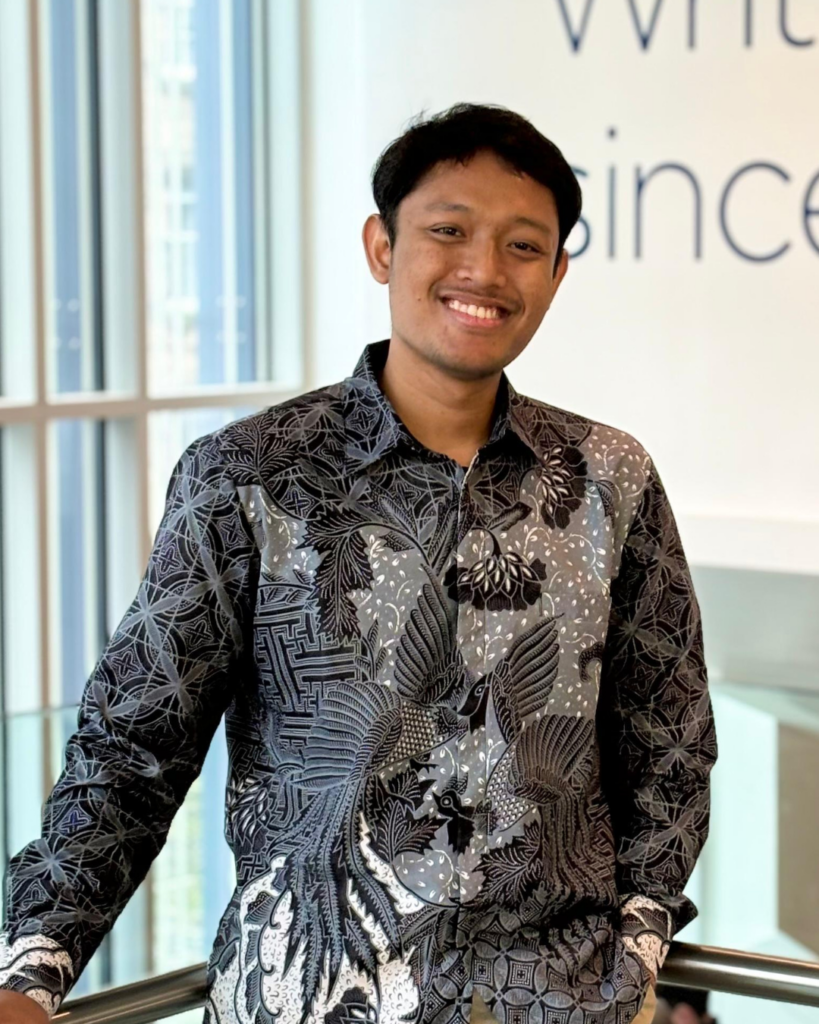
Joanda Kevin
Intern
Kevin recently completed his MSc in Global Strategy and Sustainability at the University of Edinburgh. He is interested in the intersection of business strategy, sustainability and communication, with a focus on how organizations translate sustainability commitments into practice. His experience working on consultancy projects with a multinational manufacturer in Scotland and a civil society organization based in Argentina, alongside being an awardee of the Consulting Leadership Development Programme by McKinsey and Co, has equipped him with capabilities in strategic analysis, stakeholder engagement and sustainability driven
problem solving.
As an intern, Kevin is eager to support research, policy analysis and multi stakeholder partnerships that advance climate action, the green economy, and a just transition in pursuit of the Sustainable Development Goals.
problem solving.
As an intern, Kevin is eager to support research, policy analysis and multi stakeholder partnerships that advance climate action, the green economy, and a just transition in pursuit of the Sustainable Development Goals.

Jude Nyanga
Intern
Jude Nyanga is a founder, social innovator, and One Health and sustainability enthusiast focused on addressing the interconnected impacts of climate change on human, animal, and environmental health. He currently serves as a Research and Policy Intern at the Global Alliance for a Sustainable Planet, where he contributes to climate and One Health perspectives on climate policy, just transition, and sustainable finance, with a particular interest in carbon markets and regenerative agriculture.
Jude also supports organizational initiatives and fundraising efforts through grant research, proposal development, and policy
analysis. He holds a First Class Honours degree in Biomedical Laboratory Technology from Makerere University College of Veterinary Medicine, Animal Resources and Biosecurity. He has also completed a Masterclass in International Carbon Markets at the Public and Third Sector Academy for Sustainable Finance, University of Oxford. Jude is actively involved in community based initiatives supporting smallholder farmers with adoption of climate smart agriculture and resilience solutions.
Jude also supports organizational initiatives and fundraising efforts through grant research, proposal development, and policy
analysis. He holds a First Class Honours degree in Biomedical Laboratory Technology from Makerere University College of Veterinary Medicine, Animal Resources and Biosecurity. He has also completed a Masterclass in International Carbon Markets at the Public and Third Sector Academy for Sustainable Finance, University of Oxford. Jude is actively involved in community based initiatives supporting smallholder farmers with adoption of climate smart agriculture and resilience solutions.

Kavisha Mahtani
Intern
Kavisha Mahtani is a recent graduate from the University of Toronto, where she double majored in Environmental Studies and Psychology. She is passionate about climate communication and reimagining how we discuss the climate crisis in a way that fosters connection, hope, and action. Drawing from her background in psychology, she is particularly interested in how storytelling can be used to overcome cognitive barriers to addressing climate change. She is interested in making communication more accessible and empowering, especially for young people navigating climate uncertainty, to inspire meaningful change.
Mareena Mathew
Intern
Mareena Mathew is a Research and Policy Intern at GASP with a strong interest in climate change adaptation and sustainable development. She holds a Master’s degree in Climate Change Adaptation from Kerala Agricultural University and has previously worked as a Project Associate at the National Institute of Advanced Studies, India. Her research background includes climate–forest interactions, carbon flux changes driven by land-use change, and vegetation modelling.
She has also volunteered with climate strike campaigns as part of Fridays for Future, reflecting her strong commitment to climate advocacy and public awareness. She looks forward to contributing at the intersection of climate policy, climate finance, and just transition.
She has also volunteered with climate strike campaigns as part of Fridays for Future, reflecting her strong commitment to climate advocacy and public awareness. She looks forward to contributing at the intersection of climate policy, climate finance, and just transition.

Mercy Protas
Intern
Mercy Protas is a media, communications, and digital marketing professional holding a Bachelor’s degree in Communication and Public Relations and currently pursuing a Master’s degree in Strategic Communication. She has experience in journalism, corporate communications, public relations, and digital content creation. Her interests lie in strategic communications, sustainability advocacy, and using media to drive social and environmental impact.
Mercy is particularly eager to gain hands-on experience in corporate communications and public relations during the Global Alliance for a Sustainable Planet internship. She is excited to contribute to awareness around global sustainability and climate action. She looks forward to contributing to social media content, newsletters, reports, and campaign communications while learning how sustainability organizations engage diverse stakeholders. Through this role, she looks forward to strengthening her ability to translate complex sustainability initiatives into engaging, solutions-oriented communication that drives impact.
Mercy is particularly eager to gain hands-on experience in corporate communications and public relations during the Global Alliance for a Sustainable Planet internship. She is excited to contribute to awareness around global sustainability and climate action. She looks forward to contributing to social media content, newsletters, reports, and campaign communications while learning how sustainability organizations engage diverse stakeholders. Through this role, she looks forward to strengthening her ability to translate complex sustainability initiatives into engaging, solutions-oriented communication that drives impact.

Rakeb Yohannes
Intern
Rakeb Yohannes is a medical doctor with a growing focus on sustainability and the systems that shape long-term human and environmental wellbeing. Her background includes work in community health and nonprofit settings, where she has supported programs related to maternal and child health, health education, and community engagement in resource-limited contexts.
Through her clinical training and public health experience, she has become increasingly interested in how food systems, environmental conditions, and economic structures influence health outcomes over time.
She is particularly drawn to sustainable and regenerative approaches that strengthen communities, improve resilience, and reduce preventable health burdens. Rakeb brings a multidisciplinary perspective that bridges health, sustainability, and social
impact. She values practical, community-centered solutions and is motivated by work that connects environmental responsibility with equity and real-world outcomes. She is eager to continue learning and contributing in spaces that view sustainability as both a human and planetary priority.
Through her clinical training and public health experience, she has become increasingly interested in how food systems, environmental conditions, and economic structures influence health outcomes over time.
She is particularly drawn to sustainable and regenerative approaches that strengthen communities, improve resilience, and reduce preventable health burdens. Rakeb brings a multidisciplinary perspective that bridges health, sustainability, and social
impact. She values practical, community-centered solutions and is motivated by work that connects environmental responsibility with equity and real-world outcomes. She is eager to continue learning and contributing in spaces that view sustainability as both a human and planetary priority.

Sofia Lupattelli
Intern
Sofia Lupattelli is a psychologist with an academic background in Clinical Psychology and Communication & Marketing Psychology. Her work explores how insights from behavioral science and strategic communication can be applied to address pressing global challenges, from climate change to public health. She is particularly interested in how behavioral science can inform public engagement and policy design in response to these issues, helping to translate psychological insight into real-world impact. She seeks to explore evidence-based pathways for fostering sustainable and socially responsible behavior, combining rigorous research with a human-centered approach. With experience in both research and communication roles, Sofia is committed to contributing to initiatives that drive meaningful social and environmental change.
Siwaphiwe Bala
Intern
Siwaphiwe Bala is an economist and a researcher with a master’s degree in economics and experience in policy-oriented research. She has worked as a researcher at the Human Sciences Research Council (HSRC), contributing to projects on employment, social policy, and development challenges in South Africa. Her research interests include labour markets, unemployment, inequality, and the lived experiences of marginalised groups. Siwaphiwe has strong qualitative and quantitative research skills, including data analysis, literature reviews, policy analysis, and report writing. She is interested in applied economic research that informs evidence-based policy and contributes to inclusive and sustainable development across Africa.
Through this internship at the Global Alliance for a Sustainable Planet (GASP), she is excited to deepen her understanding of global climate policy processes, learn how cross-sector partnerships are built and coordinated, and gain hands-on experience contributing to research, policy support, and innovative initiatives that advance climate action and sustainable development.
Through this internship at the Global Alliance for a Sustainable Planet (GASP), she is excited to deepen her understanding of global climate policy processes, learn how cross-sector partnerships are built and coordinated, and gain hands-on experience contributing to research, policy support, and innovative initiatives that advance climate action and sustainable development.
Solomon John
Intern
Solomon John is a recent graduate with an academic background in Petroleum Engineering and a growing interest in technology, data, and innovation for social impact. My studies have equipped me with foundational skills in research, analysis, and problem-solving, and I am particularly interested in how data, digital tools, and strategy can be applied to solve real-world challenges.
My areas of interest include conservation, sustainability, climate actions, communication, digital strategy, social innovation, and project-based learning. I enjoy working on initiatives that combine technology with measurable impact, especially in education, agriculture, conservation, and community development. During the GASP internship, I am excited to gain hands-on experience, deepen my communication skills and strategy, and learn from a collaborative, global environment.
My areas of interest include conservation, sustainability, climate actions, communication, digital strategy, social innovation, and project-based learning. I enjoy working on initiatives that combine technology with measurable impact, especially in education, agriculture, conservation, and community development. During the GASP internship, I am excited to gain hands-on experience, deepen my communication skills and strategy, and learn from a collaborative, global environment.
Pratham Singh Rawat
Intern
Pratham Singh Rawat is currently pursuing a Bachelor of Technology in Climate Change at Anant National University, Ahmedabad, India. He has previously interned with Varaha as a carbon project developer, where he worked on Verra- certified projects, conducting policy research, carbon stock estimation, and GIS-based data verification. His research background also includes renewable energy policy, life cycle assessment, and socio-economic impact analysis.
As a policy research intern at GASP with a strong interest in climate change mitigation, carbon markets, and sustainability policy. Pratham looks forward to contributing at the intersection of climate policy, climate finance, and sustainability.
As a policy research intern at GASP with a strong interest in climate change mitigation, carbon markets, and sustainability policy. Pratham looks forward to contributing at the intersection of climate policy, climate finance, and sustainability.
Careers at the Global Alliance
We are often looking for inspired individuals to join our team.